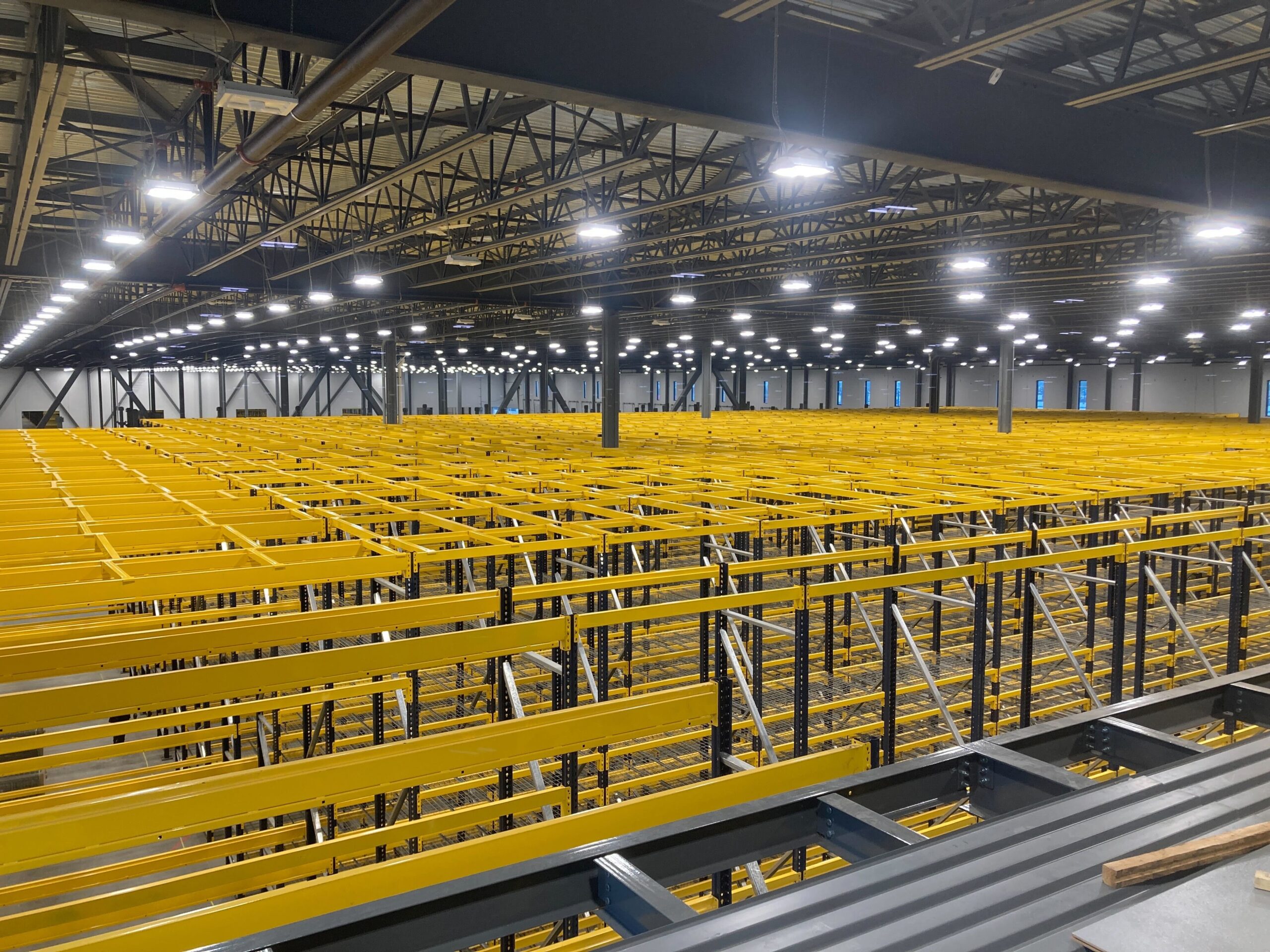

How do you determine an optimal racking layout in a new commercial warehouse space?

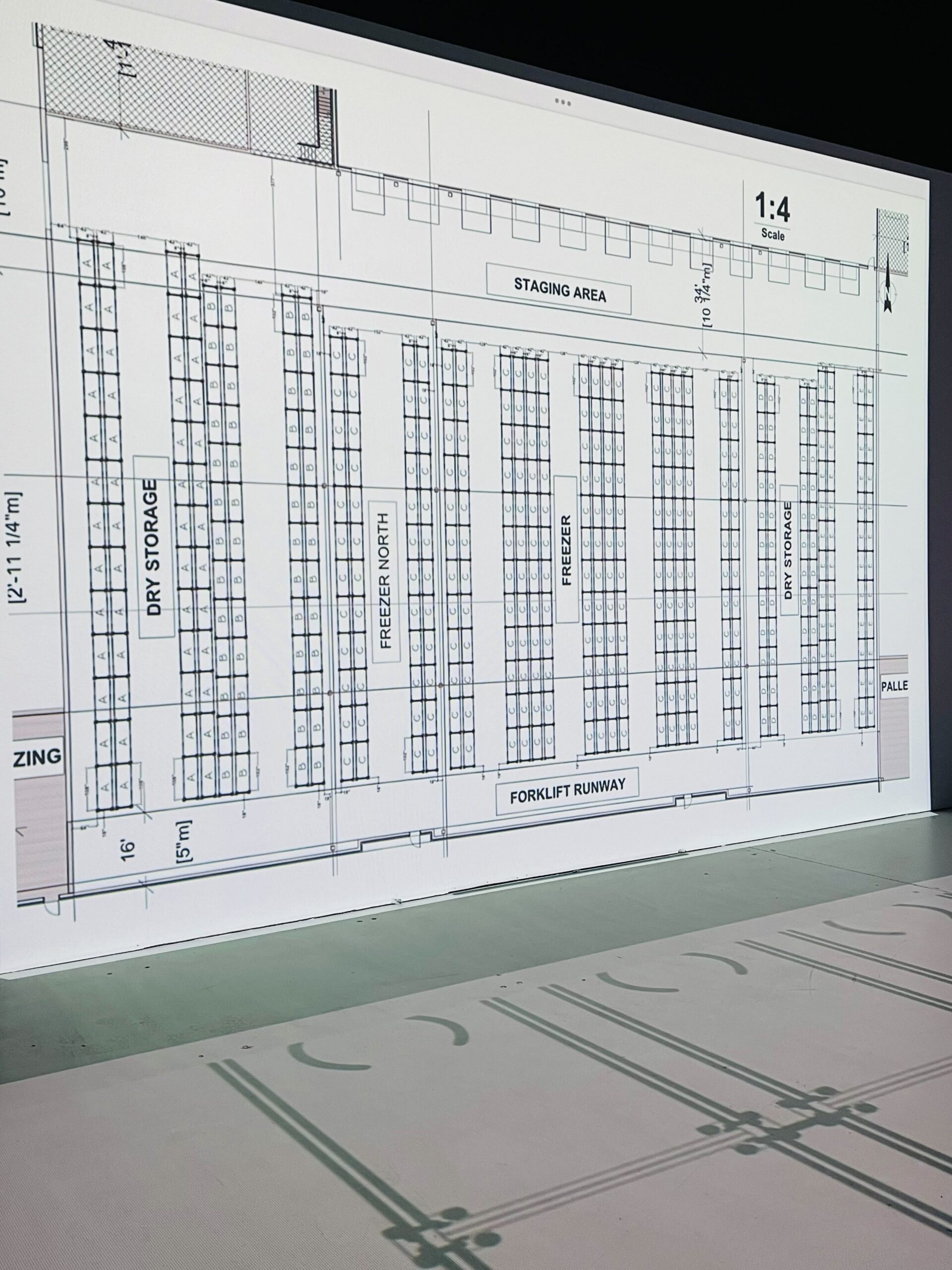
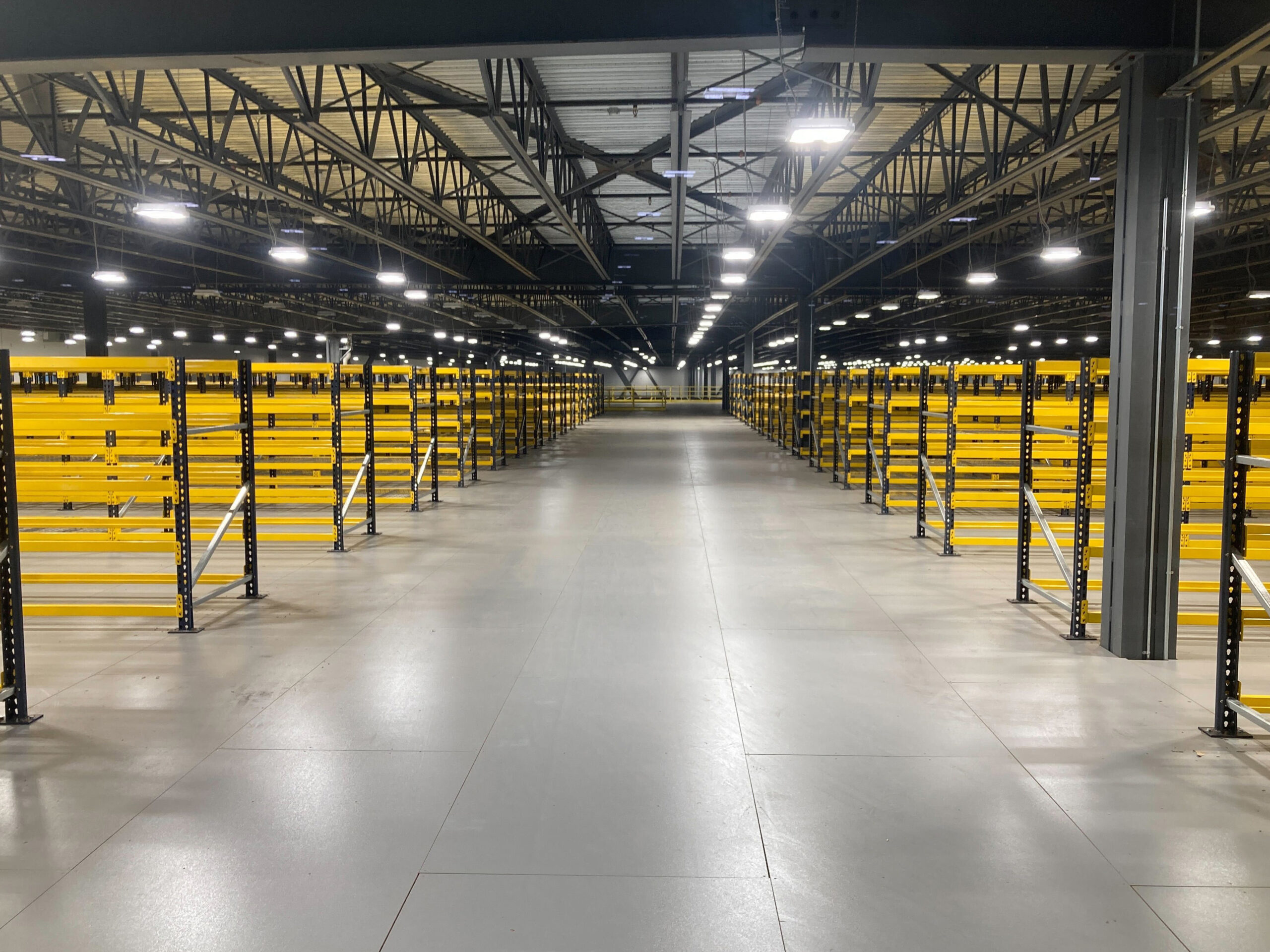
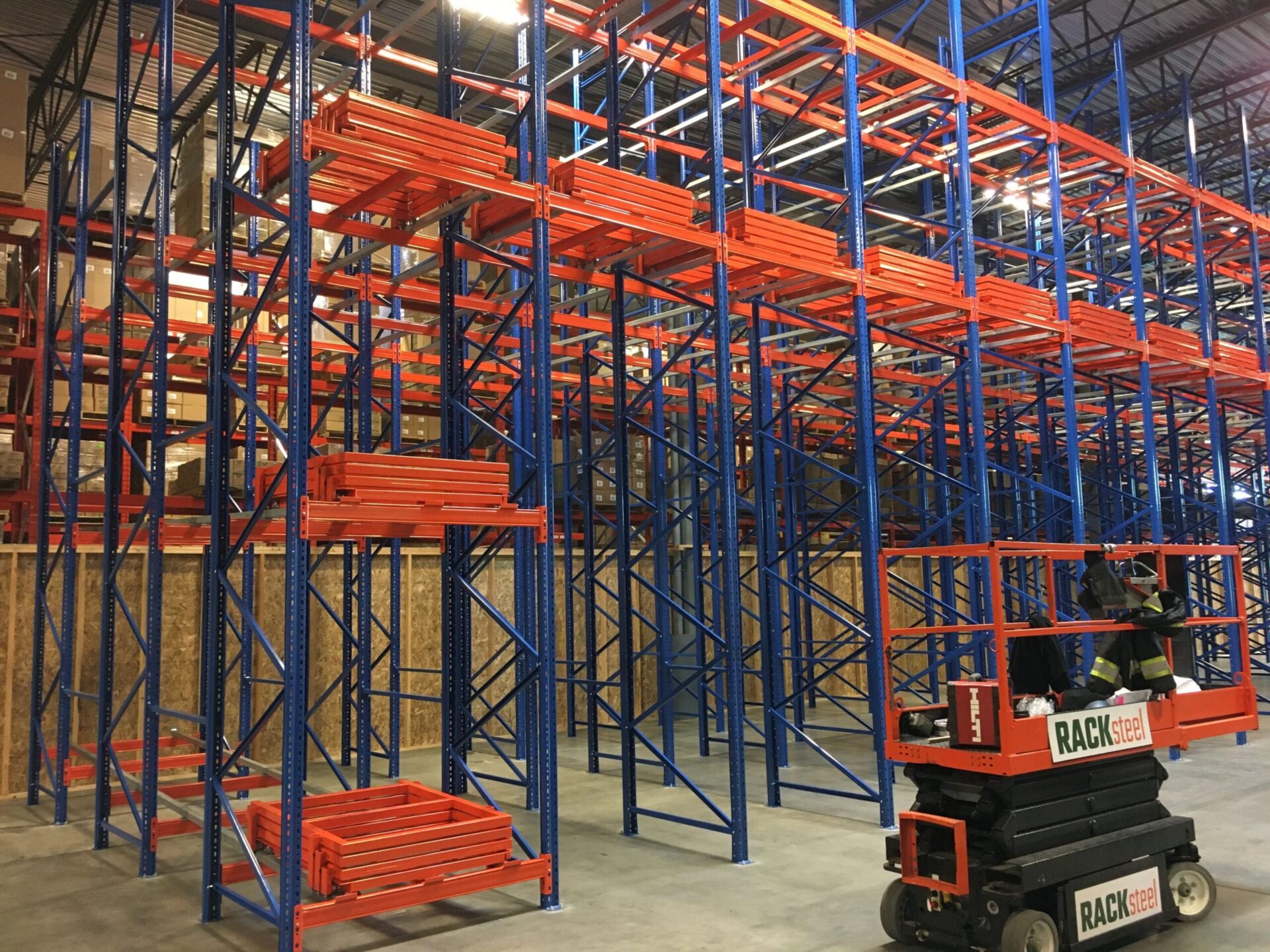
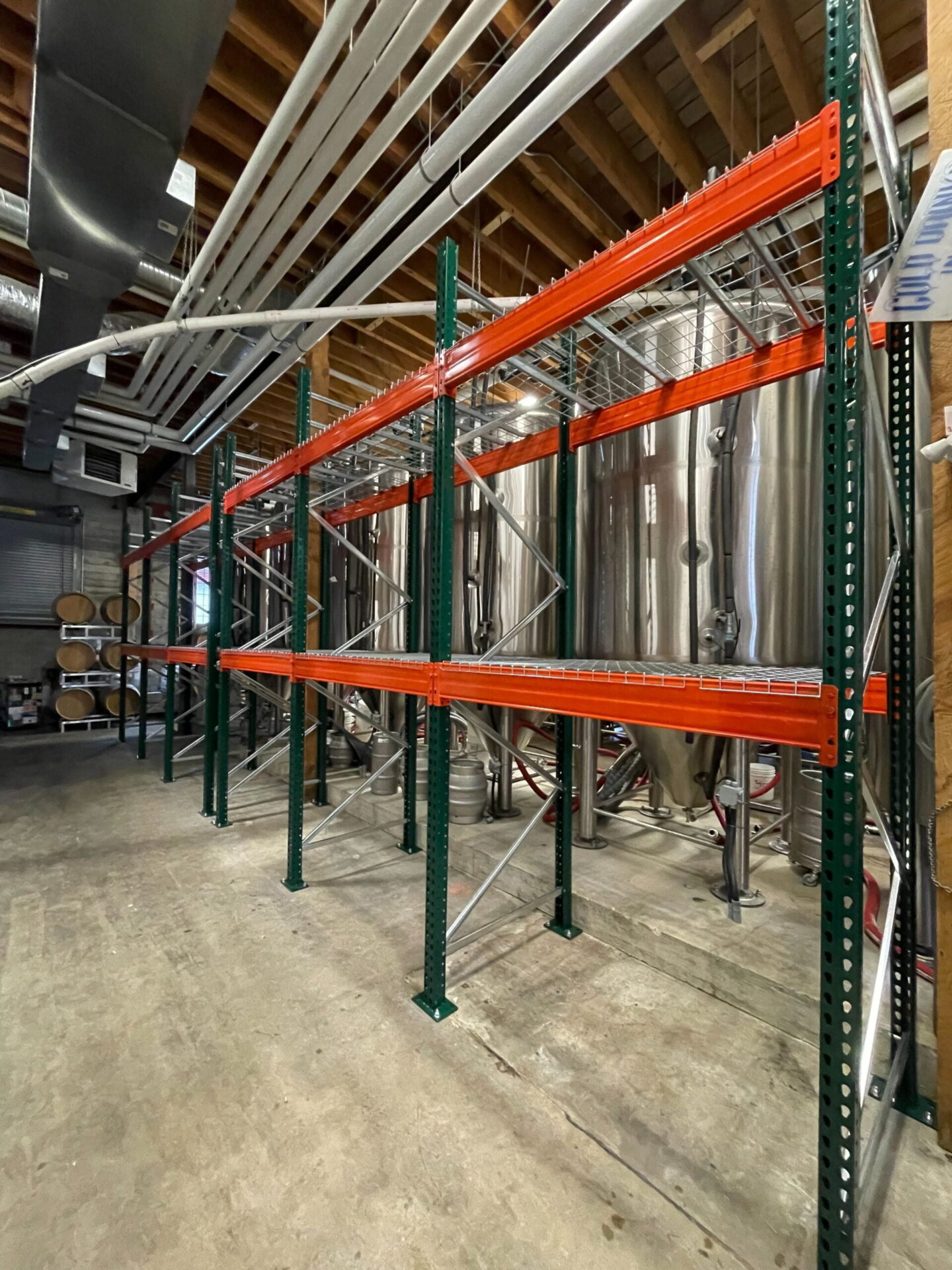
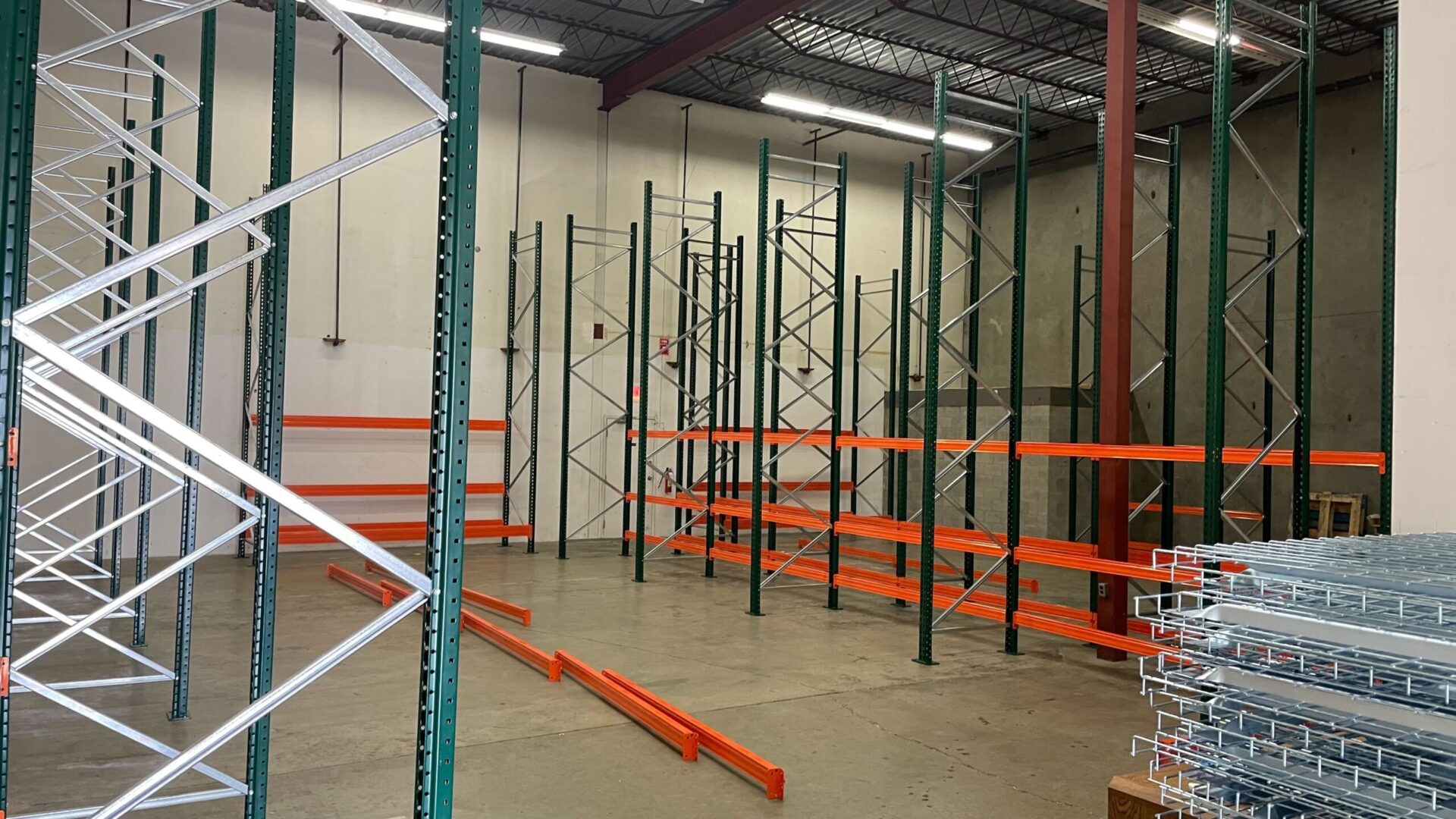
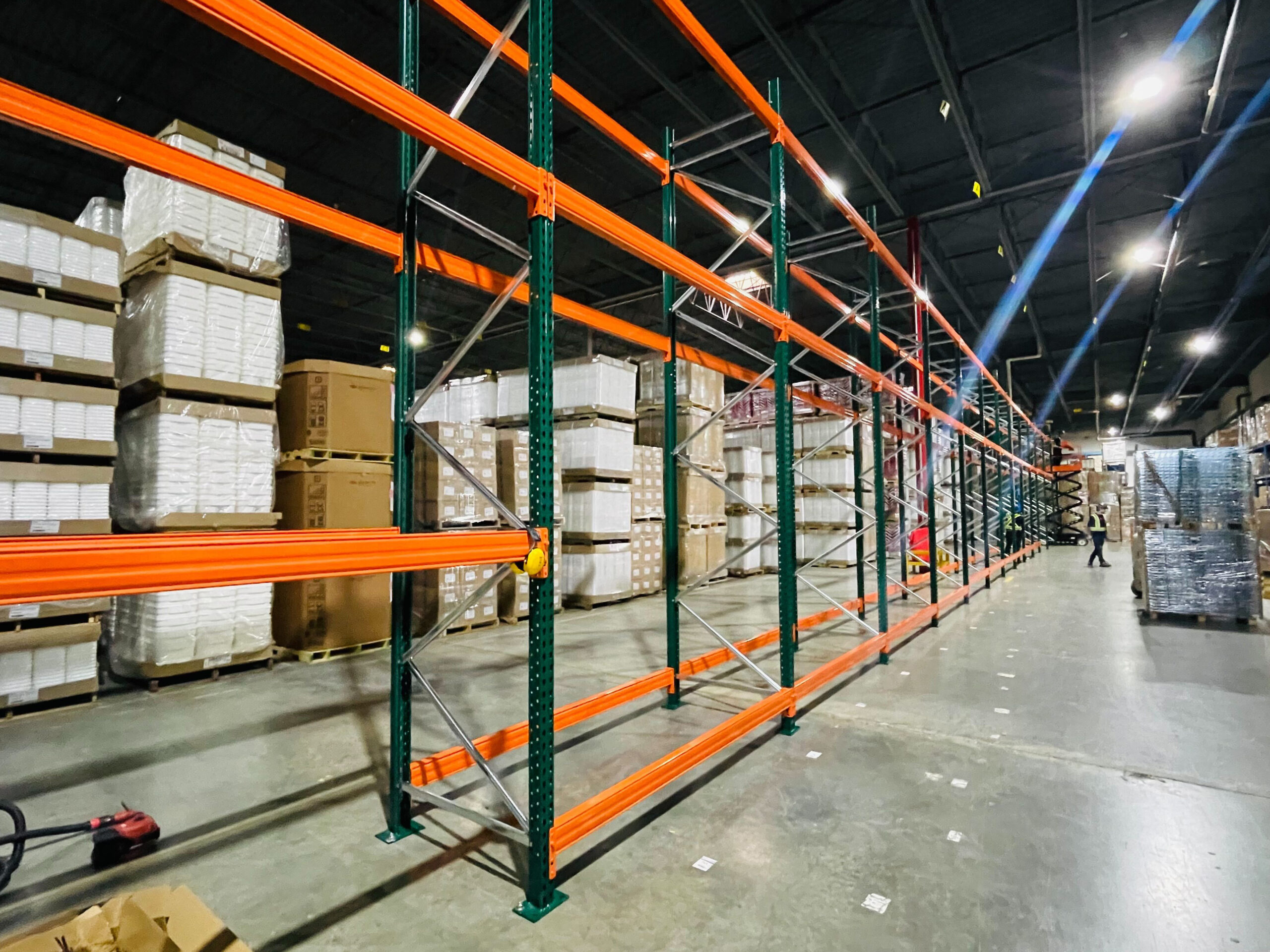
Racking is the backbone of any warehouse, and the layout for racking can significantly impact your operation’s efficiency. For example, if products are stored at an angle in deep racking, it can lead to wasted space—and that’s not good for your bottom line! On the other hand, poorly designed racks can cause problems when loading and unloading shipments due to poor ergonomics or safety concerns. So how do you determine an optimal racking layout? Here are some tips:

1. Analyze the space

The first step is to analyze the available space and determine the layout options. This involves measuring the area’s dimensions and identifying potential obstacles, such as columns or doorways. The goal is to determine if your warehouse can be raked in a straight line or better suited for a traditionally “L” shaped layout.

Once you’ve analyzed your warehouse, it’s time to decide how best to arrange your racks to optimize efficiency while minimizing costs.

2. Decide on a racking layout

Racking layout is a key part of warehouse design. The racking layout will determine how your goods are stored, how much space they take up, and how you can reach them.

The most important factor when determining an optimal racking layout is the size and shape of your space. It would be best to consider how much storage capacity you require for each product type and the height at which these products should be stored. This will vary depending on whether they’re heavy or light items (e.g., pallets vs cans), packaged or loose goods (e.g., boxes vs bottles), etcetera!

Another factor that affects optimal racking layouts is material handling equipment such as forklifts or reach trucks: what kind do you have available? Are there any restrictions on where these vehicles can go within an aisle? If so, this may affect where certain types of racks need to be installed. For example, tight corners might be tricky for larger forklifts with higher carrying capacities to navigate around them comfortably. Therefore, making those areas unsuitable locations for storing large volumes during normal operations because there would need to be more room left over after placing all those pallets onto existing shelves to make room again afterwards.

3. Determine the type of goods being stored

The type of goods being stored will also influence the racking layout. For example, if the goods are heavy or bulky, they may require specialized storage solutions, such as double-deep racking or drive-in racking. Alternatively, if the goods are small or light, they may be better suited to shelving or carton flow racks.

4. Considering the space available

Racks can take up a lot of room in a warehouse, so it’s essential to consider how much space you have available before choosing your racking system. Choose a design that minimizes height while maximizing density (number of pallets per square meter). This will help maximize the useable floor area while allowing easy access by forklifts, trucks, and other material handling equipment (MHE).

5. Consider the material handling equipment

Another consideration when designing a racking layout is the type of material handling equipment used in the warehouse. The type of equipment used in the warehouse will also impact the racking layout. For example, if the warehouse uses reach trucks or order pickers, the racking design will need to accommodate their turning radius.

6. Evaluate workflow

Once you’ve identified the optimal racking layout, evaluating workflow is essential to determine the most efficient racking design. This involves analyzing how goods flow through the warehouse, from receiving to shipping and identifying any bottlenecks or inefficiencies that can be addressed through a better racking layout.

It is generally recommended that high-density storage solutions be used to maximize storage capacity while minimizing labour costs associated with stocking and retrieving products from individual pallets or skids.

7. Optimize space utilization

Finally, the racking layout should be designed to optimize space utilization while still allowing for the safe and efficient movement of goods. This may involve high-density racking solutions, such as push-back or pallet flow racks, to maximize vertical space utilization.

Conclusion

In conclusion, the racking layout should be designed to optimize space utilization while still allowing for the safe and efficient movement of goods. If you’re moving to a new space, relocating, or want to improve your space’s organization and efficiency, call RACKsteel. Our team can develop drawings, propose custom and quick-ship racking options, and ensure your new racking system is professionally installed.

The RACKsteel Installation Advantage

The best value and the best quality—and we can back that up.

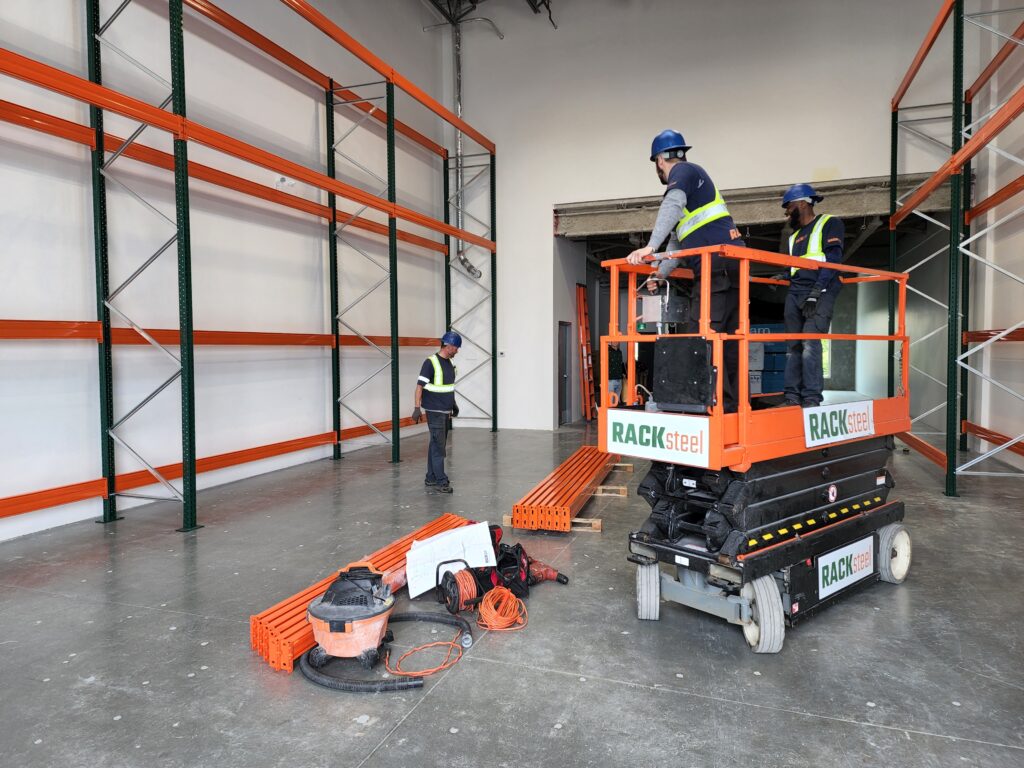
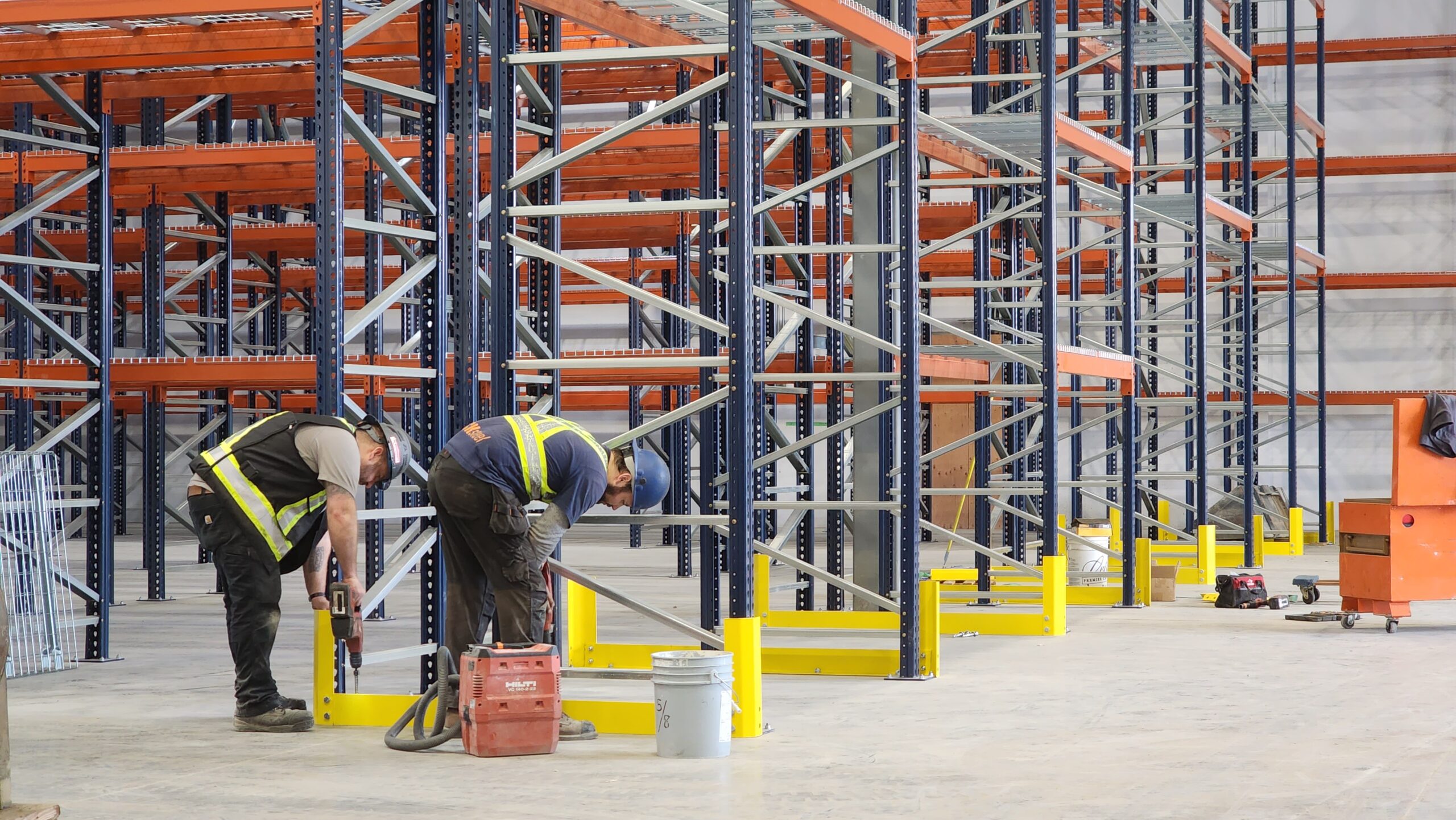
RACKsteel has a highly specialized installation team, directly supported by Red Seal millwrights who serve as both operations and installation managers. RACKsteel’s installers are full-time professional racking installers, not temporary workers from labor agencies or unskilled laborers. RACKsteel believes in investing in its own team, and as such, all of our installers are safe, highly trained, and certified.
 
Industrial first aid, counterbalance forklift, and mobile elevating work platform certifications are mandatory for every RACKsteel installer and operations team member. RACKsteel regularly conducts in-house training sessions and installation upgrade courses to ensure all team members are up to date on the latest and safest installation techniques.
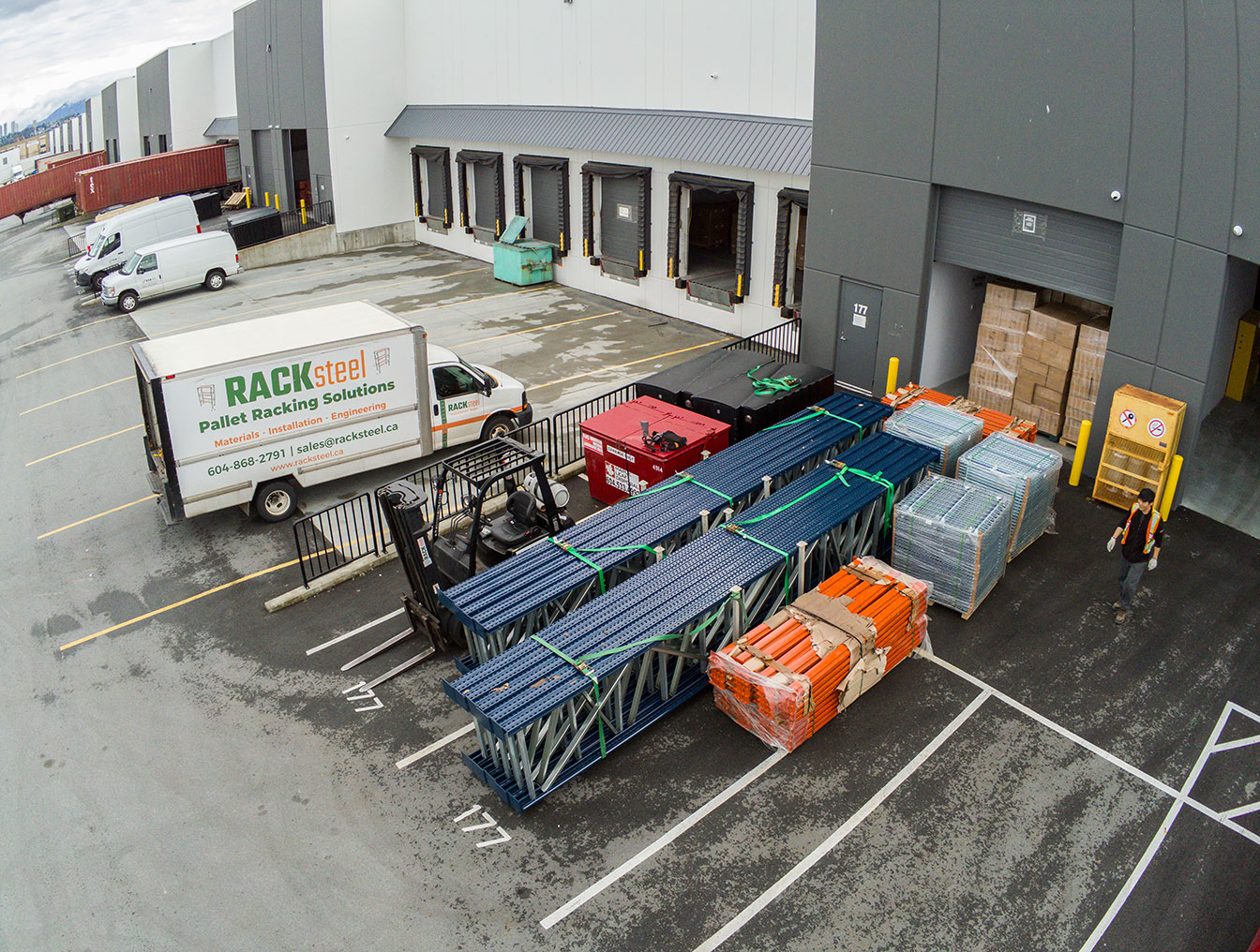
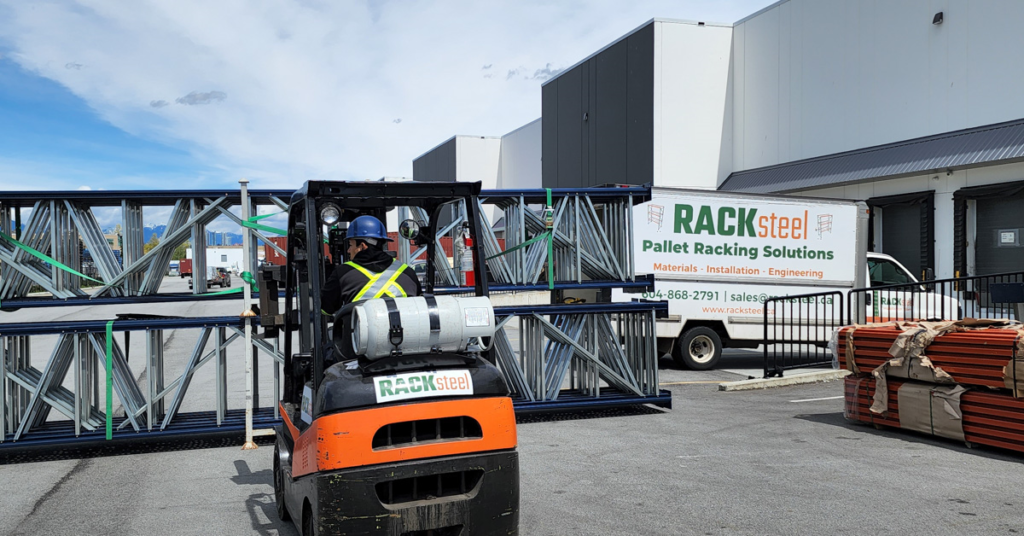
RACKsteel understands the importance of a smooth and seamless racking installation for our customers. Our installers arrive well-equipped with premium Hilti tools and safe, reliable equipment and vehicles. With in-house millwrights on staff, we ensure that our forklifts, scissor lifts, and other equipment are always in perfect working order. All safety features on our equipment are fully functional and actively used. When specialty equipment is required for your installation, RACKsteel partners with industry-leading third-party vendors who share our high standards of safety and reliability, ensuring consistency and continuity in every aspect of your installation.
 
We apply a project management approach to every installation, dedicating significant time and resources during the planning phase. However, unforeseen challenges can arise—just like in life.
This is where RACKsteel truly excels. During the installation process, you have the full support of the RACKsteel team to ensure all your expectations are met and exceeded. This allows you to focus on what really matters—your operations and business.
 
Your project consultant, account manager, installation manager, operations manager, and in-house engineer are all readily available to address any concerns or challenges that may arise.
RACKsteel often solves problems before the customer is even aware of them. When a challenge requires customer involvement, we provide cost-effective, engineer-approved solutions, ensuring no time is lost and the installation schedule stays on track. Your operational schedule and needs are always our top priority.
Choose RACKsteel installations for reliable service and expertise. Get operating faster with the best team in the business.

Maximizing Storage Capacity in a Warehouse: Methods and Solutions

In today’s fast-paced business environment, warehouse managers are constantly looking for ways to increase storage capacity while maintaining or improving efficiency. Maximizing storage capacity is crucial for any warehouse, as it can lead to greater productivity and profitability. In this blog post, we will explore six methods for maximizing storage capacity in a warehouse.

1. Optimize Pallet Racking Layout

Optimizing the pallet racking layout is one of the most effective ways to maximize storage capacity. The pallet racking layout can be optimized by considering the aisle width, pallet dimensions, and overall rack configuration. Narrow aisle pallet racking or high-density pallet racking systems, such as drive-in or push-back racking, can increase storage capacity by maximizing available floor space. These systems allow warehouses to store more products in the same area, increasing efficiency and productivity. 

2. Use Mezzanine Floors

Mezzanine floors are an excellent solution for warehouses that need additional storage space. They can be installed to create extra storage space above existing floor space, doubling the available storage capacity. Mezzanine floors can be used for storage and other work areas, making them incredibly versatile in and out of the warehouse. Completely customizable, warehouse managers can design mezzanine floors to fit their specific needs.

3. Use Vertical Space

Many warehouses make the mistake of only using floor space for storage. However, storage capacity can be significantly increased by using the height of a warehouse rather than just the floor space. High-bay storage systems, such as automated storage and retrieval systems (AS/RS), can store pallets or products up to the warehouse’s ceiling. Warehouses can also take advantage of VNA (very narrow aisle) racking systems. With stacking heights up to 56 ft high, VNA racks offer superior vertical storage with faster access and retrieval for loading and picking. By using high-bay storage systems, warehouses can store more products in the same space, increasing efficiency and productivity.

4. Use Modular Storage Solutions

Modular storage solutions, such as modular drawers, cabinets, and shelving, can be tailored to fit the specific needs of a warehouse. These solutions are versatile and can be reconfigured as the needs of the warehouse change. For example, integrated drawer systems offer a high storage capacity while occupying a smaller footprint. And the depths, widths, and dividers of this drawer system can be customized to suit your warehouse’s specific needs. By using modular storage solutions, warehouses can maximize their storage capacity and improve their efficiency.

5. Implement Inventory Management Systems

Inventory management systems, such as barcoding and RFID technology, can help maximize storage capacity by accurately tracking inventory levels and reducing wasted space caused by overstocking or understocking. By implementing an inventory management system, warehouses can ensure that they store the right number of products and use their space efficiently. For optimized storage and inventory management, selective racking systems get your pallets off the ground while maximizing SKU selectivity.

6. Optimize Material Handling Equipment

Material handling equipment, such as forklifts and conveyors, can be optimized to increase storage capacity. For example, using narrow-aisle forklifts can help maximize available floor space. In contrast, automated guided vehicles (AGVs) can move pallets and products more efficiently, allowing for more efficient use of space. By optimizing material handling equipment, warehouses can improve efficiency and maximize storage capacity.

Conclusion

Maximizing storage capacity is crucial for any warehouse looking to improve its efficiency and productivity. By implementing one or more of these methods, a warehouse can significantly increase its storage capacity, allowing for more efficient use of space and greater productivity. Whether it’s optimizing pallet racking layout, revamping organizational systems, or implementing new inventory management strategies, many solutions are available to help warehouses maximize their storage capacity. At RACKsteel, our team can help you maximize storage capacity with simple, efficient, and affordable racking solutions. To get started, contact our team today!

Initiating a material handling project

So when is a project officially approved?

The initiating phase. As you may in the role of operations or warehouse management, you’re part of the discussion and analysis of whether the business case of the project can be met. For example, will you enhance productivity with a new narrow aisle forklift program? Will the space savings justify the cost? Or, perhaps you’re looking to store 20% more storage with a pushback racking system. Will the cost of upgrading justify the increase in pallets stored in your facility? Will your customer see the benefits of your facility stocking more goods? During the initiating phase, you and the team, and your selected supplier (RACKsteel, of course) will need to do high-level planning to verify the likeliness the project can be completed within the given constraints of scope, time and cost.

Let’s dig deeper into the initiating phase of your upcoming warehouse or material handling project.

Select your supplier

Determine the existing systems and company culture of your facility. Will there be trials of the equipment you’re purchasing? Who’s involved in the acceptance of the new product or service you’re implementing? Will your software systems interact with the project result?

Collect processes, procedures, and historical information. What type of previous projects in your operation have been successful? What made it successful? Use previous lessons learned to help build the foundation of your upcoming project.

Understand the true business case of your upcoming project. Use economic modelling to calculate payback period, cost-benefits, and others to have a clear view of the project goals. Assess the feasibility using the tools and methods above to outline the project plans to date to senior management

Uncover the initial requirements, assumptions, constrains, risks etc. Use a high-level approach. Remember, this is the initiating phase, and should be high level at this point.

Start dividing the high level project sections into teams

Who is looking after what? Typically you’re supplier or selected project manager will be involved in this area during the initiation phase (which may be the quoting phase too, before approval). Use this opportunity to give resources a heads up on what to expect, and what will be expected of them once you move along from initiating to planning.

From there, create the high level objectives. When do you want your new equipment or system implemented? When does yours staff need to be fully trained and implementing the project?

Develop the project charter

The project charter will include most of the above information

And, one of the final key items of the initiating phase of your next warehouse or material handling project, must be the identification of stakeholders and what their expectations and influence are. Remember to consider stakeholders of all sorts – not just the groups directly impacted by your project (i.e. if you’re in production, consider the environmental impact of your new production equipment you’re purchasing).

The above information is in no specific order, but based on your organization, use the above ideas to create a initiating plan before proceeding to the detailed planning stage.

Warehouse Setup Project Plan

Blog 5
Looking to improve your Warehouse Project Plan? We’ve got the answers. Let’s dive into it!
Construction engineers discussing warehouse project plan
  1. Determine a methodology to create the warehouse project plan itself. Are you in a project-based organization? Who are the decisions makers to confirm the methodologies and processes?
  2. Determine formats for reporting to management, discussing updates with staff, and monitoring performance.
  3. Agree on a specific change request format. How are changes throughout the warehouse or production project communicated? How are they approved? Do the changes have the buy-in of all who is involved? Or, does the change itself require a whole new project?
  4. Make sure your processes are aligned with organization. Ensure the approach to the project meets the guidelines of the entire company, whether it be operations, warehousing, sales and marketing.
  5. Analyze the stakeholders needs and core requirements.
  6. Analyze the stakeholders wants and assumptions.
  7. Capture the entire warehouse or production project requirements lists as detailed as possible. Are you looking at a shelving project? How many bays are needed to store the material? How are the staff picking it? Will your forklifts fit in the aisles? What about sprinklers, are they suitable for the height you’re going?
  8. Outline the skills and benefits of each stakeholder, and what they bring to the table, either during the project management planning process or during implementation.
  9. Meet with stakeholders to determine the objectives and milestones, and their roles in managing them.
  10. Schedule meetings with department heads to request the resources you need for proper project implementation. For example you may need forklift drivers, warehouse management, sales, and IT to be part of the new inventory program you’re implementing.
  11. Work with your team members to outline the project cost. For example, RACKsteel will source and outline the project costs direct from our factories for you to review. We’ll outline the total project cost along with cost-benefits as requested. If you’re responsible for the project costs to your supervisors, consider working with your immediate team to capture the correct costs involved.
  12. Empower the team to give approval to activities needed to accomplish during the project. Turn this into a proper calendar of events.
  13. Make sure to get approval from the resource managers across departments as needed, if required. Ensure they sign off on the schedule to avoid conflict.
  14. Work through iteration – or revisions – as you review risks and determine risk responses.
  15. Create the necessary project documents, or request formal proposals. Ensure the procurement process is in place. Ensure the work breakdown process is captured and easily updated as the project commences.
  16. Obtain approval for risk reserves and apply them to the paperwork. Is freight included? Do you know how many trucks it will take to purchase the equipment you’re evaluating? What about the weather, is there a possibility it will be late in delivery which will cost the warehouse production time? This is where risk reserves are critical.
  17. Hold meetings with the supervisors or ultimate project decision makers IF changes or requirement cannot ultimately be met. Ensure communication is open and transparent. Outline and identify issues with the senior management before they happen. This is our main focus at RACKsteel when taking on a warehouse equipment project for a client. For example the supply and install of material handling solutions will often bring it’s challenges, which must be communicated to the customer to align all parties expectations.
  18. Perform schedule compression tactics when absolutely necessary, when implementing or planning the project. i.e. fast tracking the schedule, adding (or “crashing”) resources to complete a task, or changing the total scope of the project to fit the end user requirements.
  19. Plan a kick off (or mid project) party. Ensure the team is bonded together to realize the ultimate vision of the project, whether it be storing and picking new inventory in a new pallet racking system, or moving to a new brand of forklifts that require different skills. It’s important that even the resistors of the warehouse project are encouraged to take part to add their advice, vision, and confidence.
  20. Do everything above and have a beer in-between.
  21. No – it’s not in an exact order. But the above captures the key ideas of which actions you need to take to kick off a successful warehouse project. Contact RACKsteel to discuss your warehouse project requirements.

Developing a Warehouse Construction Schedule for your project

Blog 9
In major material handling or storage equipment jobs at your facility, there must be a detailed schedule. When is the schedule completed? Once you have a thorough activity duration plan completed with a flow chart of activities. So what exactly is included in the schedule? It’s often overlooked what details should be included to avoid conflict, issues, delays, and negative risks. Are you implementing a major software program throughout your facility? Are you moving to a new warehouse? Is your operations expanding internationally? Perhaps you’re evaluating a brand new storage solution with pallet racking, shelving, or horizontal shuttles. These projects (not simply orders) should have in place a detailed schedule. The project data that you’ve accumulated during planning activities, such as leads, lags, and other information, will be part of the schedule detail.

TOP 10 list of what is required to develop a Warehouse Construction Schedule 

Construction worker planning warehouse construction schedule
Let’s summarize a top 10 list of what is required to develop a finalized schedule that your team, suppliers, management and others buy-into.
  1. First work with priorities of the major stakeholders. When does management need to be operating? Do you have customers expecting goods based on the project? What about staff – will they be trained and ready to operate with the end result if any?
  2. Evaluate other options to complete the work. Perhaps there are more economical ways to complete the project? Or, there are far better scheduling opportunities with the project.
  3. What are the impacts of this material handling or storage project on other organizational projects? Is it a dependancy? Is it a competing project out of the capital budget? Visualize where this project stands form the company point of view.
  4. Negotiate extra resources from other departments if required. Material handling generally seems to only deal with warehouse staff, right? What about the accounting team that will be budgeting for payments. Consider the sales team who depend on moving product from the warehouse. Is customer service prepared to explain potential delays? Are they expected to spread awareness of your warehouse move? Negotiate the necessary resources to bring transparency and a solid team effort in implementing the project.
  5. Consider all possible leads and lags of the project. Which activities allow for delay without delaying the entire project? Use this information to use as concessions if resources are needed elsewhere throughout the organization. Use these ares to tackle risks more effectively. Do not include “buffers”, as that is not an effective way to deal with risk. Rather use this time to prepare risk responses if applicable to your project.
  6. If your schedule needs crashing, do it now. Crash resources in certain areas where needed to complete the necessary activities in the schedule. Fast-track the activities that show a high chance success rate of saving time.
  7. Simulate the schedule with software programs to judge how the project will flow, and if it will be completed on time. This is probably a step for major projects involving warehouse moves, facility design, expansions, etc.
  8. Get buy-in from your stakeholders. If you’re the warehouse manager, how does the operations and senior management team feel about the project? If you’re relaying on a supplier such as RACKsteel to handle this portion of the project management, ensure you’ve identified all the correct stakeholders in your meetings. That way, we could present effective conversations with all levels of your operation to gain formal approval of the schedule.
  9. Do not only get buy-in from the senior management. What about the team that will be using the product or end result? What are their views? You may come across team members resistance to change, experience turnover, or underestimate the impact of the project on stakeholders not considered decision makers. Gain approval from all levels.
Implement the schedule and measure performance. Is a change request necessary? Identify all options before making a change request.
 
RACKsteel Installations, choose the best and Get Operating Faster.