
Why Is It Useful to Read Google Reviews of a Business Before Contacting Them?

In today’s digital world, making an informed decision about who you’d like to do business with can be a little daunting. So many scams and false marketers are out there, with access to everyone on the World Wide Web. Now more than ever, numerous businesses are available at our fingertips, making bookings or buying extremely easy with a click of a button. Now, more than ever, gathering as much information as possible before committing to a service or product is crucial. One of the most effective ways to do this is by reading Google Reviews. 

Here’s why this simple step can make a huge difference:

  1. Reputation: 

Google Reviews offers a transparent look into a business’s reputation. Google is a trustworthy source for actual reviews because it actively verifies user identities and implements measures to prevent fraudulent reviews. Google’s commitment to authenticity ensures that the feedback you read is genuine, providing reliable insights into real customer experiences with businesses. 

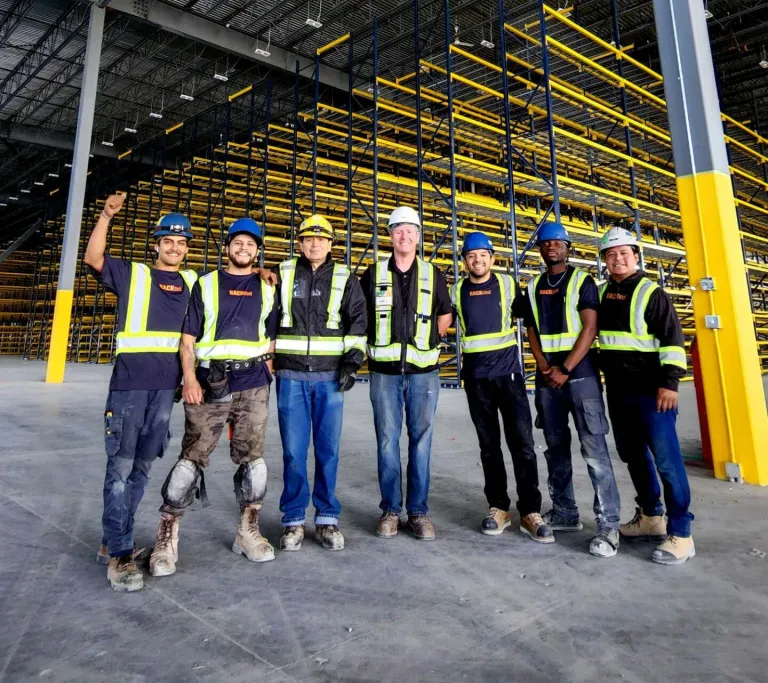
A company with a high rating and lots of positive reviews strongly indicates that it consistently delivers quality products or services. On the flip side, a low rating paired with negative reviews might suggest customer service or product quality issues. For example, RACKsteel prides itself on its positive reputation, and our Google Reviews reflect a history of customers satisfied with our products. By checking these reviews before buying storage solutions for your warehouse, you can gauge whether our business is reliable.

  1. Experience: 

Reading Google Reviews gives you a glimpse into what doing business with that company is like. Customers often share their experiences, discussing the quality of a business’s products or services, the level of customer service they provide, and any challenges they face. This first-hand information from real people can help you understand what to expect from a business. At RACKsteel, we appreciate customer feedback, as it highlights the experience clients have had with us, from initial contact to project completion.

  1. Feedback:

Google Reviews are beneficial not only for potential customers but also for businesses. They provide an avenue for customers to share honest feedback, which can be instrumental for companies looking to improve their operations, products, or overall customer service. Feedback reinforces what a business is doing well, while constructive feedback can highlight areas needing attention. At RACKsteel, we continually use this feedback to refine our business practices, ensuring we meet and exceed our customers’ expectations.

  1. Comparisons

When considering multiple businesses offering similar products or services, Google Reviews can be a valuable tool for comparing businesses. By evaluating the reviews, you can identify which companies have the best reputation and are most likely to deliver a positive experience. This comparison can be particularly useful in competitive industries where the differences between providers may not be immediately apparent.

  1. Informed Decision-Making

Ultimately, reviewing a Google review rating and reading Google Reviews equips you with authentic experiences and essential information to make an informed decision. It will help you understand a business’s reputation, gain insights into customer experiences, assess feedback, and compare businesses. This can significantly impact your choice, leading to better experiences, better savings, and fewer regrets. 

Positive reviews underscore our commitment to excellence at RACKsteel, helping potential clients feel confident in their decisions to purchase equipment with us.

Before doing business, take the time to read Google Reviews; it will provide invaluable insights and give you a glimpse into what your experience might be like. It’s a simple yet powerful way to understand a business’s reputation, learn from the experiences of others, and make well-informed decisions.

So next time you consider doing business with us or any other company, don’t overlook the importance of reading Google Reviews—it could make all the difference.

If you’ve recently worked with us or purchased from RACKsteel, we would love to hear about your experience. Please leave us a Google Review and let us know how we did. Your feedback is invaluable to us!
The Benefits of Purchasing Capital Equipment from a Company with In-House Installation Services

Why Buying Capital Equipment from RACKsteel with In-House Installation Services Matters

 
When investing in capital equipment for your business, who you buy from can significantly impact the success of your purchase. One critical consideration is whether to choose a supplier that provides in-house installation services rather than outsourcing this crucial step.

At RACKsteel, we believe acquiring capital equipment from a trusted partner like us offers unmatched benefits, including expertise, efficiency, reduced downtime, and accountability. Here’s a closer look at the top 4 advantages of partnering with a supplier that provides in-house installation services:


1. Equipment and Installation Expertise
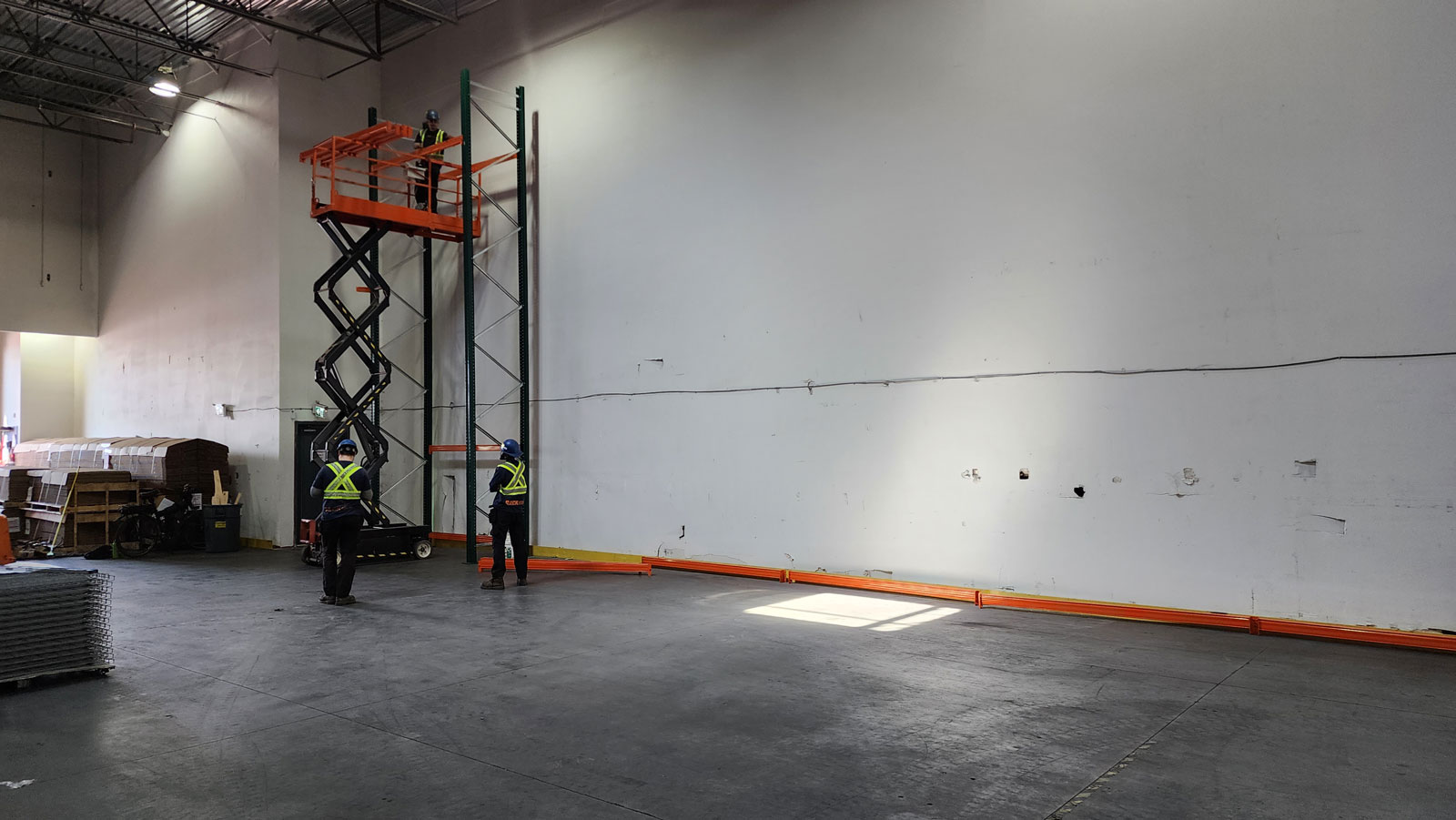
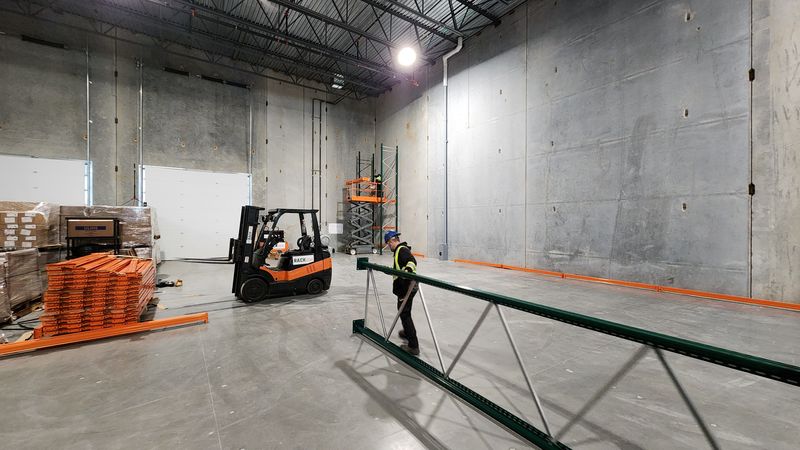
Companies offering in-house installation, like RACKsteel, bring deep expertise and extensive experience with the equipment they sell. Our installation teams understand every nuance of the equipment, from technical specifications to unique operational requirements.
This specialized knowledge ensures:
  • Manufacturer-compliant installations that promote safety and optimal performance.
  • Reduction of risks, including safety hazards, operational issues, and potential malfunctions.
  • Long-term reliability and peace of mind for your capital investment.
With experts in the trade handling your installation, you can trust that your equipment will function as intended from day one.
 
2. Maximum Efficiency
Efficiency is the cornerstone of successful business operations, and our in-house teams at RACKsteel excel in this area. Unlike third-party contractors who need time to familiarize themselves with the equipment, our team’s pre-existing knowledge ensures:
  • Faster installation times to get your equipment operational sooner.
  • Fewer installation errors due to proven experience with the equipment.
  • Minimal disruptions, enabling you to quickly realize your return on investment.
When it comes to installations, efficiency is key, and no one does it better than an experienced in-house team.
 
3. Minimized Downtime
Downtime can be costly, disrupting your productivity and workflow. At RACKsteel, our in-house installation teams are trained to work around your operational schedule, ensuring minimal impact on your business.
Here’s how we help you maintain business continuity:
  • Coordinating with your team to avoid disrupting existing operations.
  • Seamlessly integrating new equipment into your facility.
  • Ensuring a smooth transition with minimal interruptions.
Our well-planned installations keep your business running efficiently—even during upgrades.
 
4. Accountability
One of the most significant benefits of choosing RACKsteel is our accountability. As both your equipment supplier and installation provider, we take full responsibility for the entire process.
This means:
  • Any issues or challenges that arise during installation are handled directly by us.
  • Simplified communication with a single point of contact for all your needs.
  • Fast and effective resolution of concerns, ensuring your satisfaction.
With our in-house services, you can trust that your investment is in capable and accountable hands.
 

Why Choose RACKsteel?

When you purchase capital equipment from RACKsteel, you’re not just buying high-quality equipment—you’re also gaining access to a reliable partner who ensures every aspect of your investment is executed flawlessly.
Our in-house installation services provide:
  • Expertise to ensure correct and efficient installation.
  • Efficiency to minimize downtime and maximize ROI.
  • Accountability for a smooth and stress-free process.

By choosing RACKsteel, you make a strategic decision that enhances the overall success of your capital investment.


Let’s Get Started!

At RACKsteel, we deliver more than just equipment—we deliver results. Whether you’re purchasing forklifts, pallet racking, or other material handling solutions, we’ll ensure your investment is installed correctly and supported every step of the way.
 
Contact us today at 1-866-599-8531 or visit us in person at 5596 268th St. Langley, B.C. to learn more about our in-house installation services and how we can help your business thrive.

Wire Mesh Decking

Wire Mesh Decking: Strength, Safety, and Versatility with RACKsteel


At RACKsteel, we are passionate about providing you with the highest quality products for your warehouse operations. That’s why our wire mesh decking is meticulously manufactured for precision, strength, and versatility.

Wire mesh decking features a durable, grid-like structure made from welded steel wires and coated with zinc for added corrosion resistance. This design ensures exceptional strength and durability while simplifying installation—our decking easily slides into or over any standard pallet racking beam.


In addition to its robust design, wire mesh decking enhances visibility for inventory management and safety inspections, while its open structure reduces dust and debris buildup. Whether storing pallets, cartons, drums, or other objects of varying sizes, wire mesh decking is the perfect solution for optimizing your storage space.

 
Enhanced Safety Features
  • Improved visibility: Easily identify potential hazards and reduce the risk of accidents.
  • Open-grid design: Minimizes the risk of product fall-through, enhancing safety.
  • Fire safety: Supports fire sprinkler operations, reducing the risk of fire damage.
 
Optimized Storage Space
  • Compatibility: Works seamlessly with most standard pallet racking systems.
  • Versatility: Ideal for a wide range of products, including pallets, cartons, and drums.
  • Customizable: Available in various sizes and configurations to meet your unique storage needs.
 
Financial Savings
  • Increased storage capacity: Maximize the amount of inventory your warehouse can hold.
  • Lower insurance premiums: Enhanced safety features may reduce operational insurance costs.
  • Sprinkler cost savings: Eliminates the need for additional multilevel sprinkler systems.

The RACKsteel Advantage


At RACKsteel, our commitment to quality, safety, and efficiency drives every solution we offer. Our wire mesh decking is engineered with precision to deliver maximum durability, optimize storage utilization, and provide tangible financial benefits.

By choosing RACKsteel, you’re not just investing in superior storage solutions—you’re partnering with a trusted leader dedicated to transforming your warehouse operations. Let us help you elevate your space with innovative decking options crafted to meet the highest standards of performance and reliability.

Contact Us Today

Ready to optimize your warehouse with premium wire mesh decking? Contact RACKsteel today to discover how we can enhance your efficiency, safety, and storage capacity. Call us at 1-866-599-8531 or visit us in person at 5596 268th St. Langley, B.C.

Why Is Cantilever the Best to Store Long, Dynamic, and Bulky Loads?

Doors and windows are extremely difficult to store and can take up a lot of space in your workspace. Understanding the various benefits of cantilever racking will allow you to choose the right racking system for your specific warehouse requirements. Cantilever racks are growing in popularity across various industries for various reasons, including increased daily efficiency, improved space use, and protection of personnel stock items. Although the main purpose of cantilever racking is to make it simple to store longer, thinner goods, it also has several advantages over other kinds of shelving systems.

What Does It Look Like?

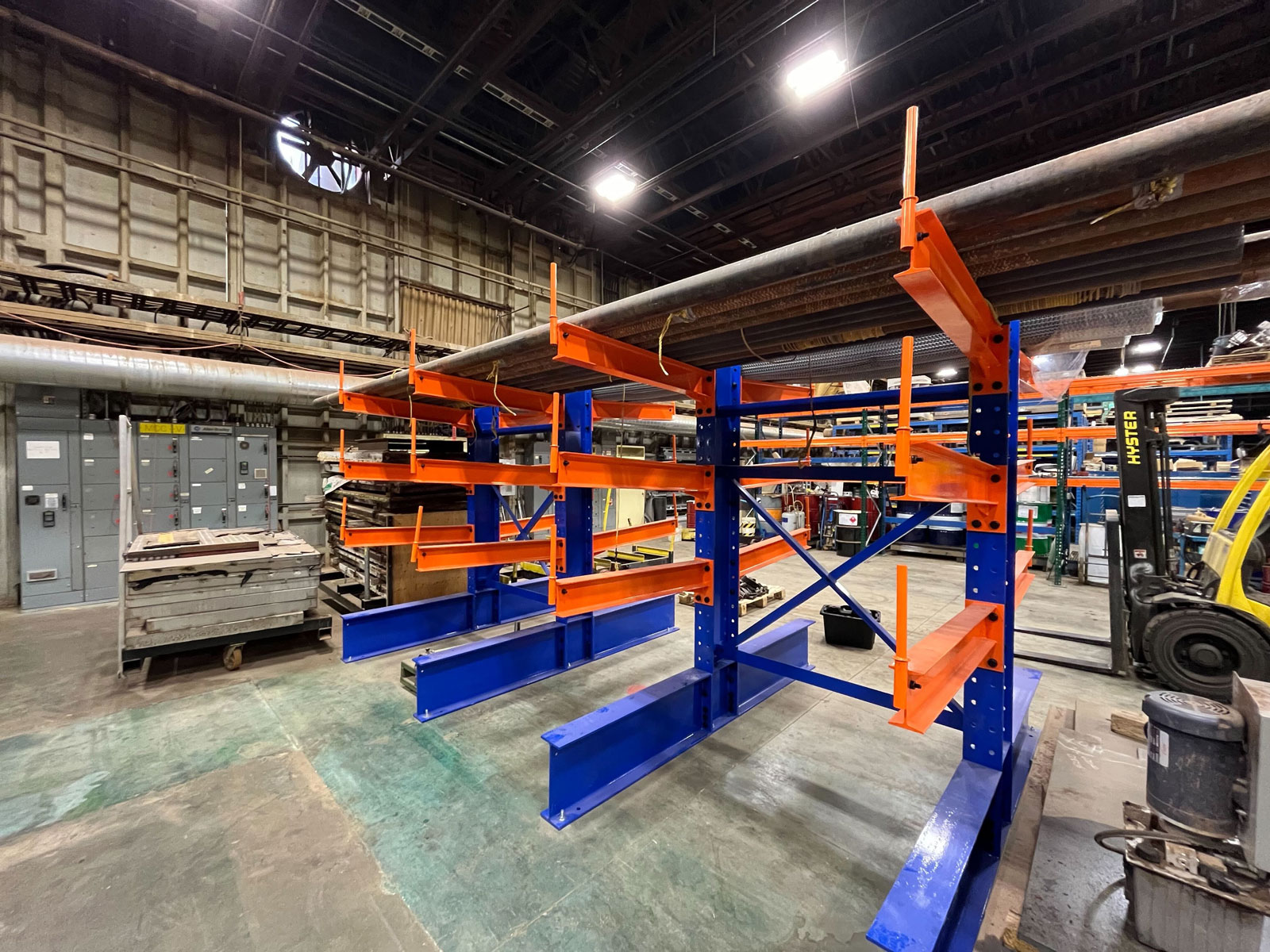
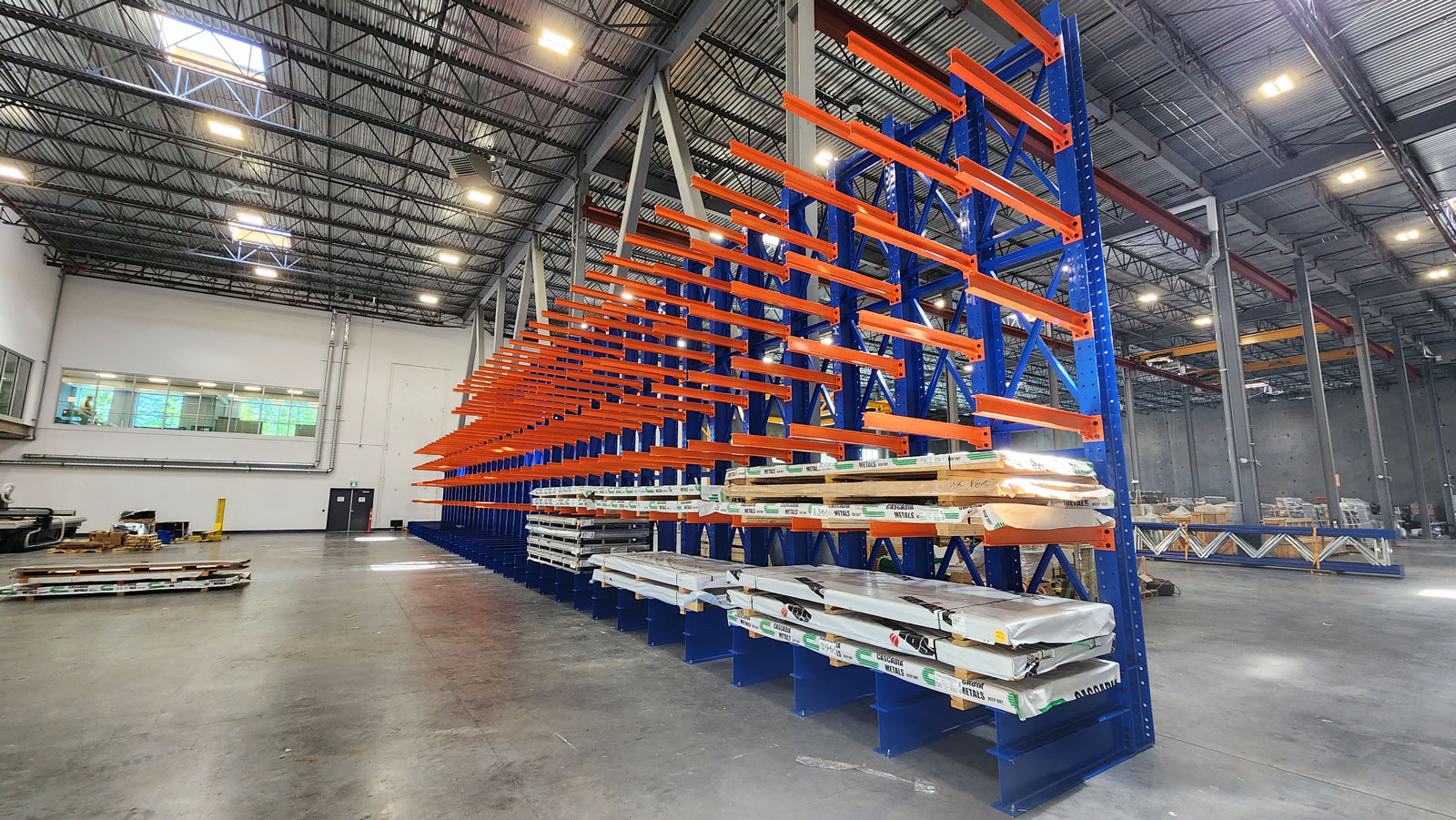
Cantilever racks are L-shaped uprights that may reach a height of ten meters. Each upright has several cantilever arms attached to it that support weights. Cantilever racks are an open storage system that gives operators of forklifts, bridges, or stacker cranes unobstructed access to materials like pipes, steel, wood, or automobiles. To provide ideal weight distribution, cantilever racking uprights are firmly fixed to a flat, sturdy floor surface, like poured cement. When completely loaded, each upright’s base provides optimal stability because it is longer than the storage arms.

Benefits

Cantilever racking is designed to simplify the storage of big, bulky items and longer, thinner items like doors and windows. Its open design and total length allow for storing tall, narrow goods, which are typically more challenging to store using conventional shelving systems. Because of a cantilever rack’s sturdy construction, you may store large, heavy objects like doors and windows for a long time without worrying about them breaking or damaging. Cantilever racking is secure, accessible, and simple to scale up high. It’s a standard designed to keep inventory accessible and to tuck away into unused space. It is easy to place and modify in any type of warehouse. It offers more organizational flexibility for warehouse layouts than other racking system types because it is simple to stack and expand the amount of vertical storage space available. Storing doors and windows in a safe space while actively using the vertical space above you is a massive advantage. Installing cantilever racking in your warehouse can achieve extended time and cost savings because it will make it easier to store and retrieve goods. The more vacant space you maximize, the more supply you can replenish. If there is more available space, this implies that you can successfully increase the scope of your product line or provide your clients with more assistance or supplies.  To explore the full benefits and potential of cantilever racking for your storage needs, we invite you to visit and explore our cantilever page. Here you will find detailed information and expert advice that can guide you towards optimizing your warehouse space efficiently.

How Do You Effectively Inspect Pallet Racking For Damage?

In the bustling world of warehouse operations, the safety and structural integrity of pallet racking systems is essential. We oftentimes get asked: is there an effective process to inspect pallet racking for damage? To which the answer is: yes! There is a meticulous step-by-step process that exists to search pallet racking systems for damage. This process is known as a pallet racking inspection. It is designed to spot any defects or signs of potential damage that could compromise the safety and functionality of your racking system. To ensure your storage components remain in top working condition, here is how a typical pallet racking inspection works…
  1. Build an Inspection Team

    The foundation of a successful pallet racking inspection lies in the assembly of a top-notch inspection team. When building a team, each member should have a clear understanding of pallet racking systems. The team should include engineers, maintenance staff, and other specialists who are familiar with the nuances of racking structure and safety standards. The expertise of the team is crucial for accurately identifying and assessing damage, ensuring that no detail is overlooked.
  2. Pre-inspection Planning

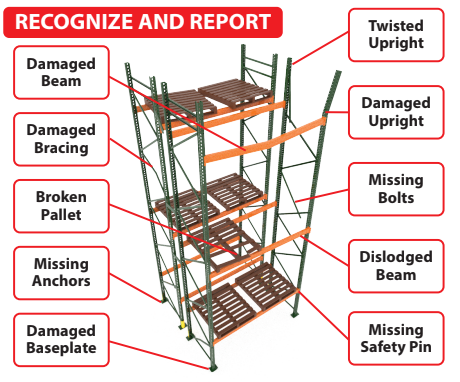
    Before starting the inspection, a thorough pre-inspection should be carried out. This step is essential as it keeps the process organized and on-task. For example, during the pre-inspection, a comprehensive checklist of items to inspect should be noted. This could include pallet racking elements such as bracing, beams, baseplates, anchors, column uprights, bolts, safety pins, and other relevant components. A pre-inspection also avoids disruptions to the warehouse, allowing the teams to coordinate their schedules and prepare for their duties, ensuring all necessary tools and equipment are on hand. To monitor the condition of your pallet racking systems, here are some examples of damage to look out for: Surprisingly, the core of the pallet racking inspection is the inspection process itself. The team should conduct a detailed visual examination of the racking system, carefully scanning the system for signs of damage including dents, cracks, corrosion, or deflection. Specialized tools, such as levels and gauges may be utilized to accurately measure any deviations from the manufacturer’s specifications. This ensures that even the smallest signs of damage or wear are identified and dealt with immediately.
  3. Reporting and Documentation

    While detecting damage is important, it’s only one part of the process. As they say, it’s only a problem if you have a solution. Documenting and reporting these damages is a key step in remedying the situation. All issues should be carefully documented and include written reports, photos, and digital records for clarity. This documentation is crucial for communicating the need for repairs or adjustments to warehouse managers, maintenance staff, or safety personnel. The more thorough, the more actionable the repair process can be.
  4. Repairs and Maintenance

    Upon reporting any damage or defects, it’s crucial that any repairs or maintenance work is carried out promptly. Delaying this step can lead to worsened deterioration, compromising the safety and efficiency of the overall warehouse operations. With quick and effective repairs, the racking system can be restored to its optimal condition, protecting the company from potential accidents and product loss.
  5. Follow-up Inspections

    A thorough inspection process doesn’t end with repairs. Regular follow-up inspections are carried out to ensure that any repairs or replacements have been effective. They also check that the racking system continues to meet operational requirements and safety standards. Lastly, these inspections help in identifying new issues early on to maintain the overall functionality of the pallet racking system.

Conclusion

An effective pallet racking inspection process is essential for maintaining the safety, integrity, and efficiency of warehouse operations. By assembling a knowledgeable inspection team, conducting effective planning and inspection, thoroughly documenting findings, conducting timely repairs, and scheduling regular follow-ups, businesses can ensure their pallet racking systems are always in top condition. This proactive approach not only protects the physical infrastructure but also supports the operational productivity and safety of the warehouse environment, ultimately contributing to the success and sustainability of the business.

What Impacts Do Sprinklers Have on the Design of Pallet Racking Equipment in a Warehouse Space?

In warehouse management’s dynamic and safety-conscious world, sprinkler systems play an essential role. While they remain a regulatory requirement, they are also a vital safety measure designed to quickly extinguish fires. Therefore, they are crucial to protect the structure, the valuable inventory, and, most importantly, employees’ lives. However, integrating these systems raises particular challenges, especially in the design and layout of pallet-racking equipment. In this blog post, we will dive deep into how sprinkler systems influence pallet racking design, securing safety and efficiency for your warehouse operations.

Location of the Sprinkler Head

The strategic placement of sprinkler heads is a critical factor in warehouse design. These components must be located to maximize coverage and minimize obstruction. When incorporating pallet racking systems, ensuring that the racks do not impede the sprinkler heads is essential. This often means rethinking the traditional layout of a warehouse. Adequate space around the racks is crucial to prevent potential blind spots where water cannot reach during a fire. Consequently, warehouse designers must find a balance between maximizing store space and having efficient sprinkler coverage.

Orientation of the Sprinkler Head

In addition to where they sit, how the sprinklers move is equally important. In pallet racking systems, a potential risk is that the sprinklers may direct water toward the racks rather than the actual fire itself. This calls for a thoughtful approach to the height and arrangement of your racking system. To create an unobstructed path for effective water dispersal, it’s important the sprinkler heads are aligned correctly. Furthermore, warehouse planners must consider the potential growth of inventory and how changes in rack configuration might affect the effectiveness of the sprinkler system in the future.

Pallet Spacing

Pallet spacing is another important factor that can be affected by sprinkler system installation. For effective fire suppression, sprinkler systems must infiltrate the spaces between pallets. This requires a delicate balance: too much space might lead to inefficient use of warehouse space, while too little might hinder the sprinklers’ ability to douse a fire effectively. This factor necessitates a reassessment of how goods are stored and organized, ensuring that warehouses do not compromise on safety in their pursuit of space optimization.

Water Damage Consideration

While sprinkler systems are crucial for fire safety, they don’t come without risk. If the sprinklers are triggered, you must prepare for water damage to the racking system and the stored goods. However, you can prevent excessive water damage with a mixture of innovation and proactive steps. For example, consider utilizing waterproof packaging materials or storing sensitive items off the ground with a bit of strategic placement. Lastly, selecting materials for the racking system that are resistant to water damage can be a smart investment. This consideration extends beyond immediate fire response; it encapsulates the longer-term viability and maintenance of warehouse infrastructure.

In Conclusion

Installing sprinkler systems in warehouses is a non-negotiable for optimal warehouse safety and compliance. That being said, without a thoughtful approach, your sprinkler system could be rendered ineffective, making them more hazardous than helpful. When integrating a sprinkler system into your pallet racking design, consider the location and orientation of the individual heads, the spacing of the pallets, and strategies you can implement to prevent excessive water damage.  The ultimate goal is to create a warehouse environment that is not only compliant with safety regulations but also efficient and adaptable. With careful planning and innovative design solutions, achieving a balance between safety and functionality is possible. In the end, a well-thought-out sprinkler system ensures your warehouse operates smoothly and safely.

What Are the Benefits of Automated Material Handling Equipment?

In the dynamic world of warehousing and distribution, efficient storage systems like pallet racking are just the tip of the iceberg. Dig deeper, and you’ll discover the transformative power of automated material handling equipment. These sophisticated tools, including conveyor systems, automated storage and retrieval systems (AS/RS), and robotic picking systems, bring a fresh approach to managing warehouses, streamlining operations in ways you might not have imagined.

What is automated material handling?

Automated material handling equipment is essentially the use of advanced systems and machinery to enhance the storage, retrieval, and transportation of goods in a warehouse or distribution center. Here’s a quick rundown of some common types:

Gantry Systems

Gantry systems stand as robust one to three-axis linear solutions tailored for a diverse range of tasks. Customizable to your specific needs, these systems are adept at handling substantial weights, delivering both swift movements and pinpoint accuracy. Not to mention, for material handling, gantry solutions often emerge as the most budget-friendly choice.

Delta Systems

Delta setups are efficient two to three-axis systems, all anchored by a unified joint at their foundation. Primarily, they shine in pick-and-place tasks, thanks to their rapid operational speeds and straightforward functionality.

Articulated Robot Arms & Collaborative Units

Mimicking the dexterity of human arms, robotic arms span four to six degrees of freedom (DoF). With the addition of 7th-axis transfer units, these arms can cover a broader workspace, moving between different workstations in minimal cycle times. And for added versatility? These arms have been integrated with AGVs and AMRs, enabling them to autonomously move throughout the warehouse.

AGVs & AMRs: The Movers and Shakers

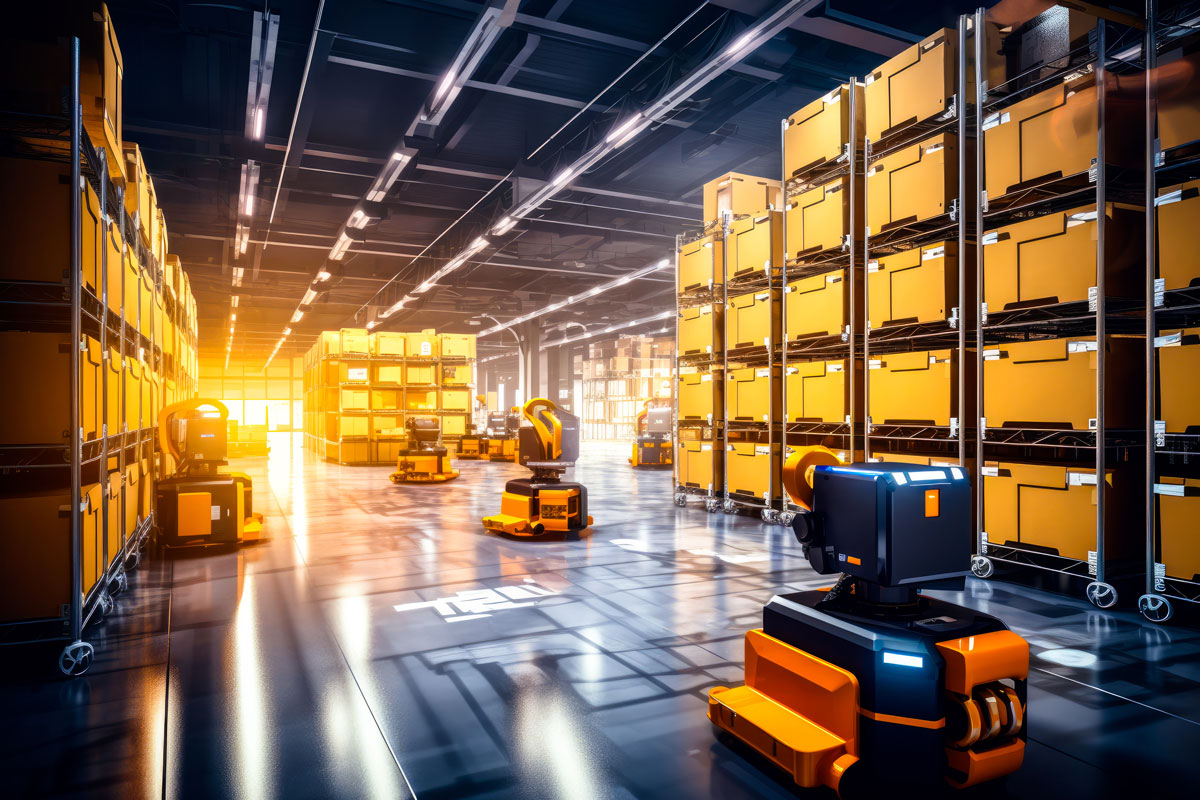
Imagine a robotic arm on the move – that’s what happens when advanced technology is mounted on an AGV. Both Automated Guided Vehicles (AGVs) and Autonomous Mobile Robots (AMRs) may seem alike, but they cater to varied functions. Roaming your warehouse, they can operate autonomously or be guided by specific markers. Whether complementing your human workforce or independently taking charge of material handling, they’re designed to streamline and simplify processes.

Now, let’s delve into the tangible benefits of these game-changers:

Key Benefits of Automated Material Handling Equipment:

Increased Efficiency

With the precision and speed of tools like AGVs, warehouses can achieve faster processing times and greater productivity. Pair this with optimal pallet racking systems, and you’ve got a winning combination.

Reduced Labor Costs

Minimizing manual tasks means fewer hands on deck. This translates to substantial savings in labour costs and a streamlined workforce that can focus on more strategic tasks.

Improved Safety

Say goodbye to the risks of manual lifting and transporting heavy items. These automated systems prioritize worker safety, making dangerous tasks a thing of the past.

Better Inventory Control

With fewer errors in material handling, you can maintain better track of your inventory. This ensures you have the right stock at the right time, every time.

Increased Space Utilization

By integrating high-density storage solutions and automated systems, you can make the most of your warehouse space. This is especially beneficial when paired with RACKsteel’s turnkey solutions and pallet-racking systems.

Scalability

Whether you’re experiencing a surge in demand or a temporary slowdown, automated systems can be scaled accordingly, ensuring you remain agile and responsive.

Enhanced Data Collection and Analysis

With real-time data at your fingertips, you gain insights into operations. This information is invaluable for refining processes, optimizing access aisles, and catering to specific industrial applications.

Conclusion

Embracing automated material handling equipment isn’t just about staying updated with technology. It’s about ensuring your warehouse or distribution center runs like a well-oiled machine, maximizing efficiency and productivity. From the intricacies of pallet racking to the vast potential of turnkey solutions, RACKsteel is here to guide you through it all. With the right storage system and automation in place, you’re not just managing your inventory; you’re mastering it.


Choosing the Right Forklift for Your Warehouse: A Guide from RACKsteel

Identify the right forklift for your operations

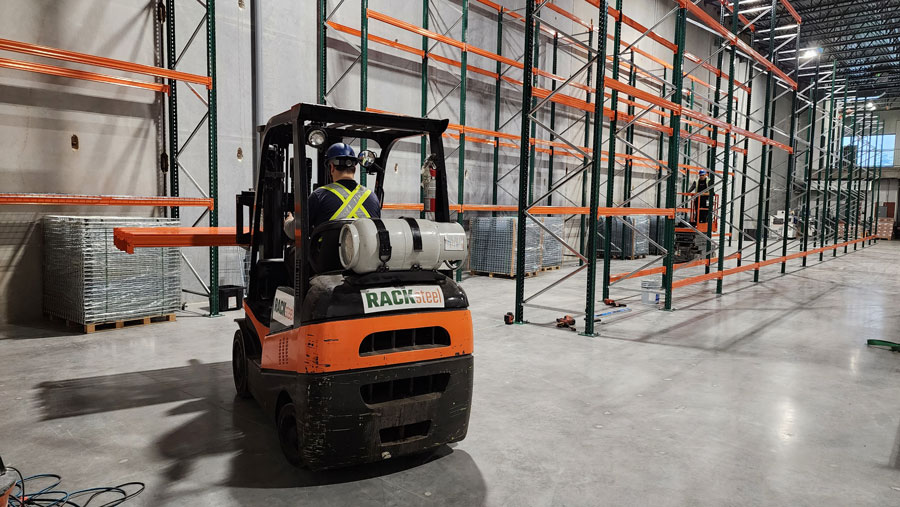
The backbone of any modern warehouse—especially those with selective pallet racking and intricate storage systems—is the humble forklift. Choosing the right forklift can have a significant impact on operating time, productivity, safety, and cost-effectiveness. With constant advancements in forklift technology and ergonomic designs, selecting the right equipment has become as critical as setting up the ideal pallet racking system.

At RACKsteel, we’ve mastered the art of integrating industry-leading storage solutions with the right industrial applications. As an authorized dealer for HELI and HUBTEX forklifts, we offer expert guidance to help you select the best forklift for your needs. Here’s how to navigate this decision to ensure a seamless operation for your warehouse.


1. Assess Your Facility Layout
Your warehouse’s layout plays a pivotal role in determining the right forklift. Consider factors like:
  • The width of your access aisles.
  • The height of your selective pallet racking.
  • Doorway clearances and turning radii.
Some advanced pallet racking systems, such as those designed for narrow aisles, may require specialized forklifts like HUBTEX multidirectional sideloaders or reach trucks. Consulting with RACKsteel ensures your forklift choice aligns perfectly with your racking setup.
 
 
2. Identify the Tasks

Every warehouse has unique operational needs. Is your focus on stacking pallets high or moving materials horizontally? Whether navigating tight aisles or reaching top-tier racks, the forklift you choose should match the primary tasks of your warehouse. HELI forklifts, known for their reliability and versatility, are an excellent option for diverse material handling tasks.

 
3. Determine Load Capacity
It’s not just about lifting—it’s about lifting safely and efficiently. Consider:
  • The heaviest items your forklift will handle.
  • The impact of attachments on load capacity.

At RACKsteel, we’ll help you evaluate the load capacities of various forklift models to ensure safety and productivity.

 
4. Understand Lift Height Requirements
Forklift lift heights typically range from 8 to 20 feet, with specialized models exceeding this range. Take into account:
  • Your usual lift height.
  • Maximum reach needs.
  • Ceiling height and other structural constraints.

Our experts can recommend forklifts, such as HELI counterbalance forklifts or HUBTEX reach trucks, tailored to your warehouse’s height requirements.

 
5. Consider the Power Source
Forklifts come with two main power options: internal combustion (IC) and electric.
  • IC forklifts (diesel, propane, or gasoline-powered) offer high load capacities and quick refueling but may require ventilation for indoor use.
  • Electric forklifts, with zero emissions and quiet operation, are ideal for indoor spaces and boast lower long-term costs.

We’ll guide you in choosing the best power source for your operations, ensuring it aligns with your environmental and operational goals.

 
6. Choose the Correct Forklift Type
Warehouses have diverse needs, requiring different forklift types:
  • Counterbalance forklifts for general tasks.
  • Reach trucks for accessing high racks.
  • Order pickers for selective pallet racking systems.
  • HUBTEX sideloaders for handling long or bulky materials.

With a vast range of HELI and HUBTEX forklifts, RACKsteel offers equipment tailored to your specific application.

 
7. Evaluate Tire Options
The right tires enhance forklift efficiency and safety:
  • Pneumatic tires: Ideal for outdoor use on rugged terrains.
  • Solid tires: Non-puncturable and great for harsh environments.
  • Cushion tires: Low-profile, perfect for indoor settings with smooth surfaces.

We’ll help you select tires suited to your warehouse conditions, ensuring safe and efficient operation.

 
8. Test Before You Buy

The true test of a forklift comes in its application. Conduct a test run in conditions that mimic your warehouse’s daily operations to ensure compatibility with your racking system and workflow.

 
Why Choose RACKsteel for Your Forklift Needs?
At RACKsteel, we specialize in turnkey operational equipment solutions, offering expert advice and high-quality products like HELI forklifts, HUBTEX multidirectional sideloaders, and selective pallet racking systems. Here’s why we’re the trusted partner for your material handling needs:
  • Comprehensive Expertise: We integrate storage solutions with the perfect forklift for your setup.
  • Top-Tier Brands: As authorized dealers for HELI and HUBTEX, we provide reliable and innovative equipment.
  • Turnkey Quotations: From racking systems to forklifts, we deliver seamless, end-to-end solutions for your warehouse.

 
Ready to Transform Your Warehouse?
Partner with RACKsteel for expert guidance on selecting the right forklift for your operations. Contact us today at 1-866-599-8531 or visit us in person at 5596 268th St Langley, B.C. for a customized quotation and discover how we can help optimize your warehouse with the best equipment and racking solutions on the market.

Warehouse Safety: Prioritizing Efficiency and Well-Being


Implementing a robust safety policy in your warehouse is essential for ensuring employee well-being and minimizing accidents. Modern innovations in storage systems, such as selective pallet racking, push-back racking, and advanced forklifts, allow warehouses to operate more efficiently while optimizing complex processes. Beyond increasing productivity, these solutions also play a vital role in creating a safer environment for workers.

At RACKsteel, we’re dedicated to providing industrial storage and material handling solutions that balance efficiency and safety. Here’s how you can implement practical strategies to make your warehouse a safer and more effective workplace.


1. Conduct a Risk Assessment

Every warehouse has unique operational risks. Whether you use pallet racking, drive-in racking, or mezzanine systems, it’s crucial to identify potential hazards specific to your setup. Assess areas such as:
  • Aisle widths and obstructions.
  • Racking integrity and proper loading practices.
  • Forklift pathways to ensure clear and safe navigation.

At RACKsteel, our experts can evaluate your facility to ensure your storage systems and equipment meet safety standards while optimizing operations.


2. Create a Safety Committee

Your team is your best resource for understanding on-the-ground challenges. Form a safety committee with representatives from various departments to ensure diverse perspectives. The committee can oversee safety initiatives, such as:
  • Ensuring proper installation and placement of storage systems like selective pallet racking or drive-in racking.
  • Streamlining access aisles for forklift efficiency and worker safety.

At RACKsteel, we offer professional design and installation services to help you create a safe and efficient storage setup tailored to your needs.


3. Develop Written Policies and Procedures

Comprehensive documentation is key to a safe warehouse. A well-documented safety manual should outline:
  • Safe navigation through storage systems.
  • Proper handling of hazardous materials.
  • Maintenance protocols for equipment like forklifts and pallet racking.

Our turnkey solutions at RACKsteel include easy-to-understand guidelines to seamlessly integrate safety protocols into your operations. Plus, our team is always available for support to ensure your systems remain safe and efficient.


4. Provide Regular Training

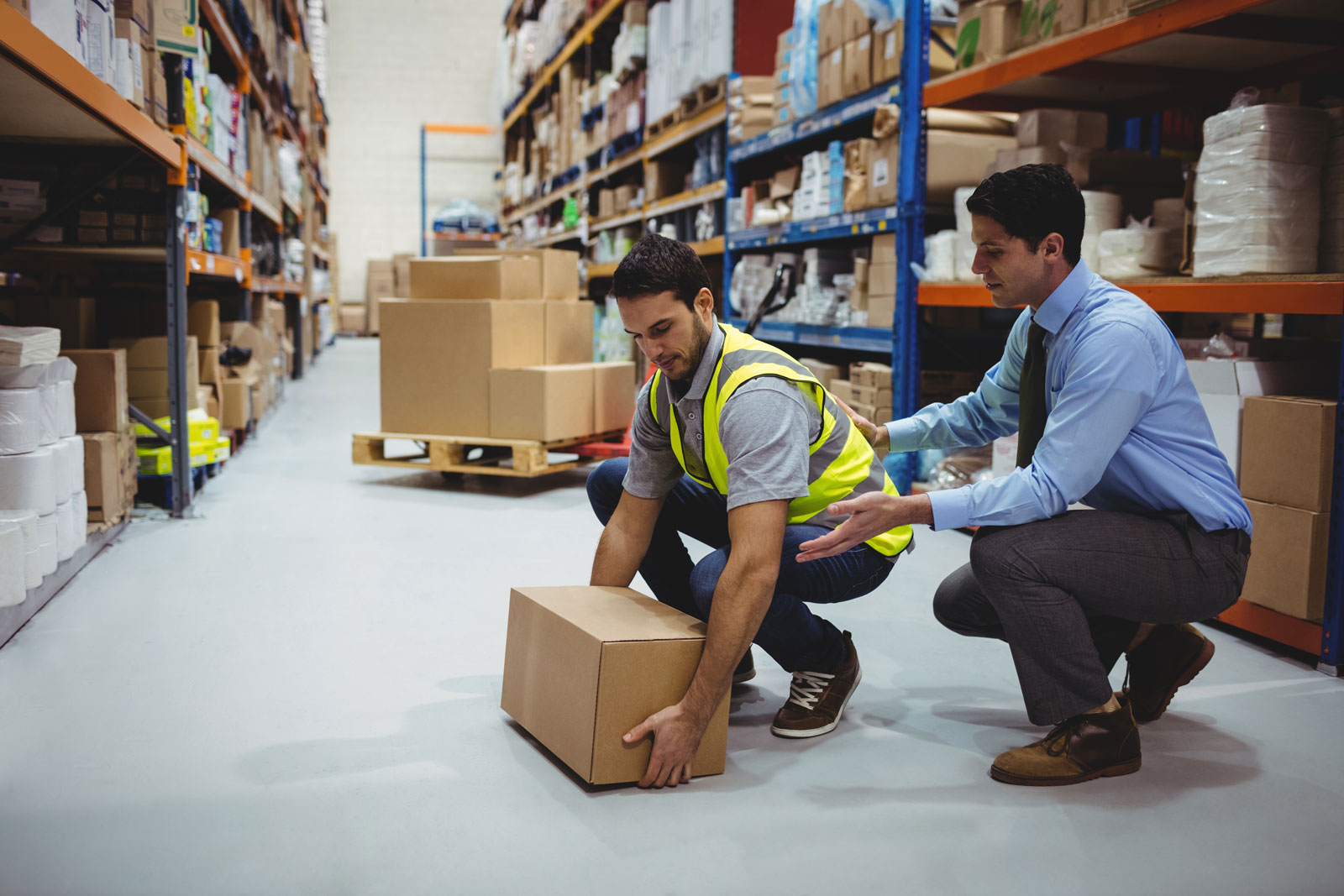
Introducing new equipment or storage systems, such as push-back racking or advanced forklifts, requires proper training for employees. Regular training ensures:
  • Workers understand how to safely operate and maintain new systems.
  • Your team stays updated on the latest safety practices and technologies.

At RACKsteel, we provide guidance on safe practices specific to the equipment and systems we supply, empowering your workforce with the knowledge they need.


5. Conduct Regular Inspections

Routine inspections can help identify and address potential hazards early. For example:
  • Inspecting pallet racking for signs of wear, damage, or improper loading.
  • Ensuring clear and unobstructed forklift pathways to avoid accidents.

Our team at RACKsteel can assist with inspections and maintenance services to keep your racking systems and equipment in top condition.


6. Encourage Employee Involvement

An engaged workforce plays a crucial role in maintaining safety. Encourage employees to:
  • Report hazards or potential risks.
  • Suggest improvements to storage layouts or workflows.

At RACKsteel, we prioritize collaboration and provide solutions that incorporate employee feedback to ensure both safety and operational success.


7. Provide Personal Protective Equipment (PPE)

Equipping employees with proper PPE is essential. This includes:
  • Safety glasses for protection in high-density storage areas.
  • Gloves for handling materials safely.

PPE reduces the likelihood of injuries and ensures employees are well-protected while working with storage systems and equipment.


8. Hold Employees Accountable

Safety is a shared responsibility. Holding employees accountable through audits and clear communication fosters a culture where safety is non-negotiable.


Conclusion

Safety in a warehouse goes beyond policies—it’s about creating a culture of awareness and collective responsibility. At RACKsteel, we provide a wide range of storage solutions, including selective pallet racking, drive-in racking, and push-back racking, along with industry-leading forklifts like HELI and HUBTEX. Our systems are designed with both efficiency and safety in mind.

By combining these strategies with our expert-designed solutions and turnkey services, you can ensure your warehouse operates safely and efficiently.

 
Ready to transform your warehouse? Contact RACKsteel today at 1-866-599-8531 or visit us at 5596 268th St Langley, B.C. to learn how we can help you create a safer, more productive workplace.

Navigating the Mental Health Implications of Business Automation

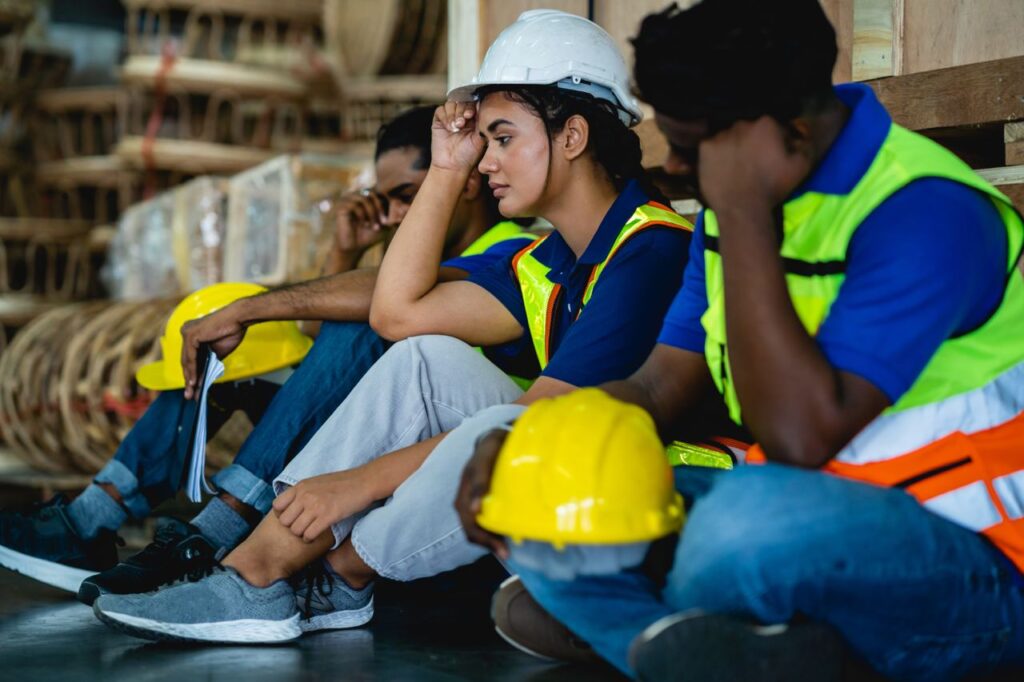
A group of warehouse workers felt sad and stressed

In the modern-day landscape of business and industry, automation technologies stand at the forefront, not merely as tools of efficiency but also as potent influencers of workplace cultures and individual mental well-being. As experts in warehouse pallet racking integrate automation into their daily operations, understanding the multifaceted impacts on employee mental health becomes essential. In navigating through this complex relationship between technology and mental wellness, it’s crucial to explore the various implications at play. From the potential setbacks to the benefits, it’s no doubt that automation impacts the mental spaces of employees.

Navigating Through the Waves of Job Displacement

One of the most prevalent concerns regarding automation is the looming cloud of job displacement. The direct correlation between the adoption of automated machinery and the obsolescence of certain roles is sure to cause anxiety among the workforce. Stress, underpinned by fears of unemployment or the existential threat to job security, not only affects the individual’s psychological stability but also permeates through the dynamics of team cohesion and organizational harmony. Therefore, it’s imperatie to provide reassurance, opportunities to improve skillsets, and open lines of communication.

A group of warehouse workers felt sad and stressed

The Double-Edged Sword of Workload Dynamics

Ironically, while automation is meant to add ease and efficiency to the workforce, it could lead to an intensified workload. Employees might find the added responsibility to manage, monitor, and maintain automated systems an additional source of pressure, spiralling into cycles of stress and burnout. Furthermore, in instances where technological glitches or malfunctions occur, the weight falls on human shoulders, elevating stress levels and potentially diminishing job satisfaction.

Technology: A New Age Phobia in Work Environments

Fear of technological advancements, or ‘technophobia’, embeds itself subtly yet profoundly within work environments. Employees, particularly those unaccustomed to or inexperienced with automation technologies, might harbor anxiety and stress, fearing inadequacy compared to coworkers with more tech familiarity. In cases like these, the psychological toll, should not be dismissed nor underestimated. These types of anxieties warrant a compassionate, inclusive, and exhaustive approach towards technological education and training within organizations.

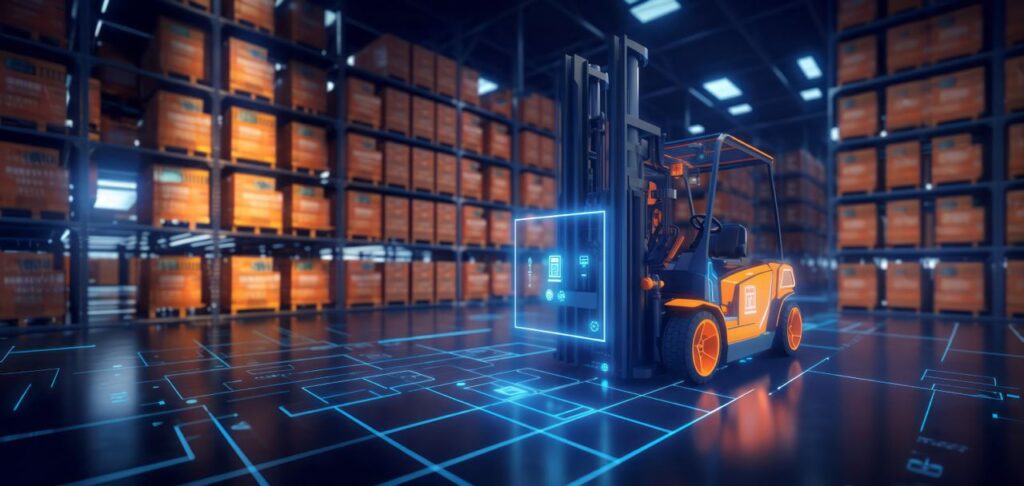
technological advancements in warehouse

Automation and the Erosion of Social Cohesion

While automation technologies are beneficial in their own right, they can also diminish social interaction amongst employees. As machines replace roles that were once occupied by people, this can create voids in the workplace, leaving employees yearning for emotional connection. 

Prioritizing virtual or physical spaces for interaction and team-building can help mitigate these feelings of loneliness, while promoting mental well-being.

Bridging the Chasm of Skills Mismatch

While positions in the workplace may be displaced by the introduction of automation, skills may also have a place on the chopping block. With automation introducing a novel set of technological requisites, employees might grapple with the stress and anxiety that comes with adapting to new skillsets. In this context, equipping employees with accessible and comprehensive training programs, alongside emotional support structures, becomes crucial in navigating through the technological transition smoothly and empathetically.

The Silver Lining: Enhanced Job Satisfaction

We must acknowledge the positives automation can bring to the table, such as the increase in job satisfaction. By relegating repetitive, mundane tasks to machines, employees find the liberty to engage in more cognitively stimulating and fulfilling roles. This shift not only improves individual job satisfaction but also infuses a renewed drive into organizational productivity and innovation.

Harmonizing Work and Life through Automation

With the implementation of automation comes an increase in work-life balance. Overtime, the more machines can handle, the more prioritization employees can grant to their personal lives. All without compromising professional proficiency. By reducing the need for overtime and facilitating a more streamlined operational framework, automation can be leveraged as a tool to safeguard and promote the mental well-being of employees, assuring them the luxury of time to replenish and rejuvenate outside work.

Conclusion

The integration of automation technologies in businesses comes with various mental health impacts for employees. While it evokes as many opportunities as it does challenges, it’s essential that companies keep this in mind as they introduce more and more technology into their daily workdays. For businesses like RACKsteel, navigating through these complex landscapes allows us to take a more balanced approach, building a company framework that caters to efficiency and sensitivity. Through efforts in training, transparent communication, and fostering a supportive work environment, organizations can pave the way for a future where automation and employee mental well-being coalesce harmoniously.