
Running out of warehouse space doesn’t always mean you need a larger building. In many cases, the problem is how inventory is stored, not how much space you have. The right warehouse shelving system helps you organize large volumes of inventory, improve accessibility, and make better use of every square foot.
Bulk storage shelving is designed for businesses that store larger products, reserve inventory, or high volumes of stock. With the right layout and shelving system, you can increase storage capacity, improve workflow, and prepare your warehouse for future growth.
What Is Bulk Storage Shelving?
Defining Bulk Storage Shelving
Bulk storage shelving is a heavy-duty storage system designed to hold large quantities of inventory that are too bulky for standard shelving but do not always require pallet racking. It provides wide, open shelves that support cartons, containers, oversized products, and reserve stock while keeping inventory easy to access.
Unlike standard office or retail shelving, bulk shelving is built for industrial environments where strength, durability, and flexibility are essential.
How It Differs From Standard Shelving
Standard shelving works well for smaller items, bins, and lightweight inventory. Bulk storage shelving is designed for larger, heavier products that require greater shelf depth and higher load capacities.
The shelves are typically wider, stronger, and capable of supporting significantly more weight. Many systems also allow shelf heights to be adjusted as inventory changes, giving warehouses more flexibility over time.
Types of Inventory Best Suited for Bulk Storage
Bulk storage shelving works best for inventory that is manually loaded but requires more space than traditional shelving offers. Common examples include:
- Large cartons
- Automotive components
- Building supplies
- Manufacturing parts
- Overstock inventory
- Retail merchandise
- E-commerce products awaiting shipment
Its versatility makes it a popular solution across many industries.
When Should You Use Bulk Storage Shelving?
High Volume Inventory
Businesses carrying large amounts of inventory need storage systems that remain organized as stock levels increase. Bulk shelving provides dedicated storage locations while making products easy to find and replenish.
Instead of stacking products on the floor, inventory stays organized, protected, and easier to manage.
Large or Oversized Products
Not every product fits neatly onto standard shelving. Larger cartons, equipment, packaged materials, and bulky supplies require deeper shelves with higher weight capacities.
Bulk shelving provides the extra room these products need without wasting valuable warehouse space.
Seasonal Inventory
Many businesses experience seasonal fluctuations in inventory. Holiday products, promotional materials, or peak season stock often require temporary storage for several months each year.
Bulk storage shelving offers the flexibility to accommodate changing inventory volumes while allowing shelves to be reconfigured as storage needs change.
Reserve and Overstock Storage
Reserve inventory is essential for preventing stock shortages, but it should not interfere with daily picking operations.
Bulk shelving creates organized storage areas for overstock products while keeping primary picking locations clear and efficient.
Fast-Growing Warehouses
Growing businesses often outgrow their storage faster than expected. Bulk shelving provides an affordable way to increase capacity before investing in larger facilities or more complex storage systems.
Because many systems are modular, additional shelving can be added as inventory grows.
Benefits of Bulk Storage Shelving
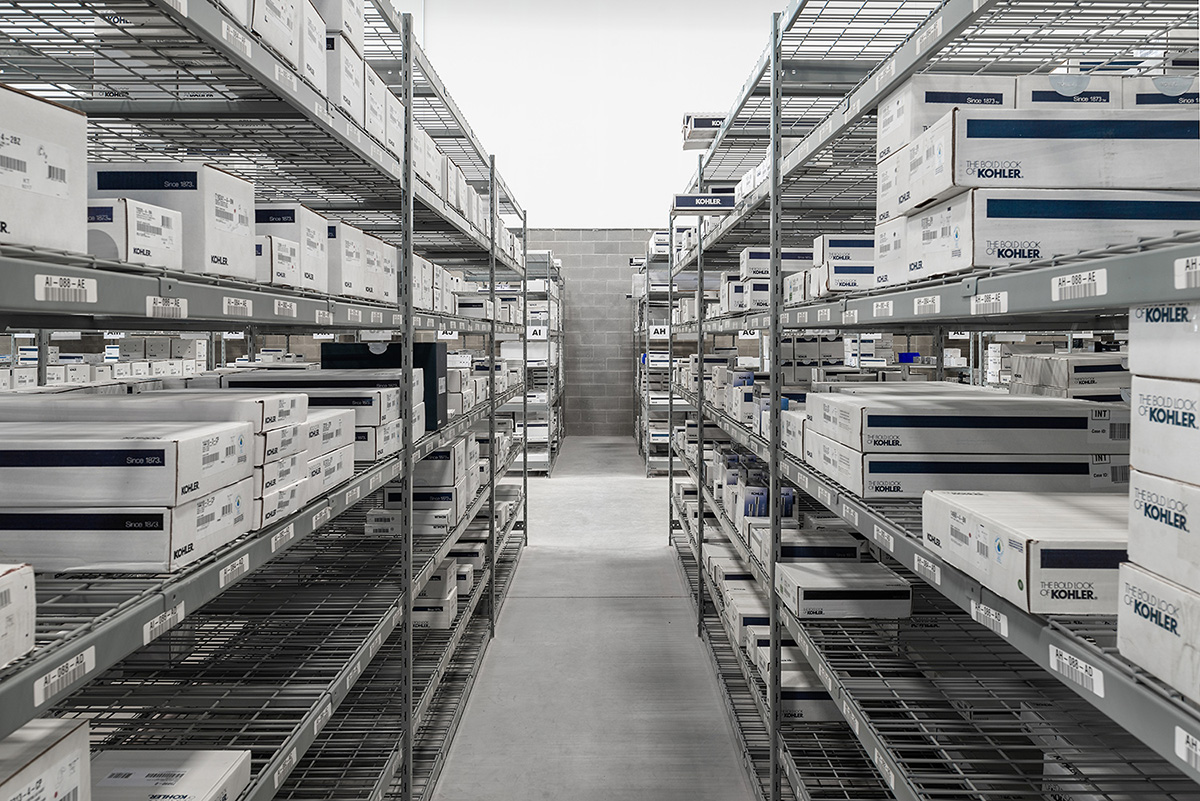
Maximizes Vertical Storage Capacity
Many warehouses fail to take advantage of available ceiling height. Bulk shelving allows you to safely store inventory vertically instead of spreading products across valuable floor space.
This increases storage capacity without increasing your building size.
Reduces Floor Space Requirements
Better vertical storage means fewer products sitting on the warehouse floor. This creates wider working areas, improves traffic flow, and provides additional room for receiving, packing, or production.
A cleaner warehouse is also easier to manage.
Improves Inventory Organization
When inventory has assigned storage locations, employees spend less time searching for products. Organized shelving also simplifies inventory counts and reduces misplaced stock.
This leads to better inventory accuracy throughout the warehouse.
Increases Warehouse Efficiency
Efficient storage supports efficient operations. Employees can restock shelves faster, complete picks more quickly, and move products through the warehouse with fewer delays.
Small improvements in organization often create noticeable productivity gains across daily operations.
Supports Business Growth Without Expanding Facilities
One of the biggest advantages of bulk storage shelving is its ability to grow with your business.
Instead of relocating to a larger warehouse, many companies increase capacity simply by improving storage density and making better use of vertical space.
Common Types of Bulk Storage Shelving
Heavy Duty Industrial Shelving
Heavy-duty industrial shelving is designed for demanding warehouse environments where shelves support substantial weight every day.
These systems use reinforced steel components that provide excellent durability while remaining flexible enough to accommodate changing inventory. They are commonly used for manufacturing, distribution, automotive, and industrial warehouses where reliability is critical.
Bulk Rack Shelving
Bulk rack shelving combines the accessibility of shelving with the strength needed for larger inventories.
Wide shelves provide plenty of room for bulky cartons, packaged products, and reserve inventory while allowing employees to load and retrieve products manually. This makes bulk rack shelving an excellent choice for businesses storing medium-sized inventory that does not require forklifts.
Longspan Shelving
Longspan shelving features long shelf spans with minimal vertical supports, allowing larger products to be stored without obstruction.
The open design makes loading and unloading easier while providing greater flexibility for products of different sizes. Longspan systems are commonly found in warehouses, stockrooms, and distribution centres.
Wide Span Shelving
Wide span shelving is designed for products that require additional shelf width or depth. Businesses storing oversized cartons, equipment, or irregularly shaped inventory benefit from the larger storage areas these systems provide.
Wide span shelving also improves visibility because products can be stored without overcrowding shelves.
Boltless Shelving Systems
Boltless shelving is one of the easiest industrial shelving systems to install and adjust.
Shelves lock into place without nuts or bolts, allowing quick assembly and simple reconfiguration whenever storage requirements change. This flexibility makes boltless shelving a popular choice for growing warehouses that frequently reorganize inventory.
Learn more about our industrial shelving solutions to find the right system for your warehouse.
Bulk Storage Shelving vs. Pallet Racking
Both bulk storage shelving and pallet racking help increase warehouse capacity, but they serve different purposes. Choosing the right system depends on how your inventory is stored, how products move through your warehouse, and whether employees or forklifts handle them.
Many warehouses achieve the best results by combining both systems rather than relying on only one.
When Shelving Is the Better Choice
Bulk storage shelving is ideal for products that employees pick by hand. It works well for cartons, bins, tools, replacement parts, and medium-sized inventory that doesn’t arrive on pallets.
Shelving also provides excellent visibility because products are stored on open shelves instead of stacked. Employees can quickly locate items, making it easier to complete orders accurately and keep inventory organized.
When Pallet Racking Is More Efficient
Pallet racking is the better solution when inventory is stored on pallets and moved using forklifts. It supports much heavier loads than shelving and allows warehouses to maximize vertical storage while maintaining safe forklift access.
Businesses handling bulk shipments, large product quantities, or high pallet turnover typically benefit more from pallet racking than from shelving alone.
Combining Both Systems for Maximum Storage Capacity
Many warehouses use both storage systems together. Pallet racking stores bulk inventory and incoming shipments, while bulk shelving holds products that are picked individually for customer orders.
This combination creates an efficient workflow by placing each type of inventory in the storage system best suited for it. It also reduces unnecessary product handling and improves warehouse organization.
Learn more about our selective pallet racking solutions.
What Products Can Be Stored on Bulk Storage Shelving?
Boxes and Cartons
Boxes and cartons are among the most common products stored on bulk shelving. Wide shelves allow products to be stacked safely while keeping labels visible and easy to access during picking and inventory counts.
Automotive Parts
Automotive warehouses often store thousands of different components in various sizes. Bulk shelving provides organized storage for brake parts, filters, electrical components, hardware, and packaged replacement parts while making inventory easy to locate.
Building Materials
Construction suppliers use bulk shelving for smaller building materials that do not require pallet storage. Fasteners, paint supplies, plumbing components, electrical materials, and packaged hardware can all be stored efficiently while remaining accessible for employees.
Manufacturing Components
Manufacturing operations rely on organized storage for raw materials, production parts, and work-in-progress inventory. Bulk shelving helps keep production areas organized while reducing delays caused by misplaced components.
Retail Inventory
Retail stockrooms often have limited storage space. Bulk shelving makes better use of vertical storage while keeping merchandise organized for quick replenishment of sales floor inventory.
E-Commerce Products
Online retailers depend on fast order fulfillment. Bulk shelving creates organized picking locations that improve order accuracy and reduce walking time between products, helping businesses process more orders each day.
Maintenance Supplies
Maintenance departments store tools, safety equipment, spare parts, lubricants, and repair supplies on bulk shelving. Keeping these items organized reduces downtime because employees spend less time searching for equipment.
How to Choose the Right Bulk Storage Shelving
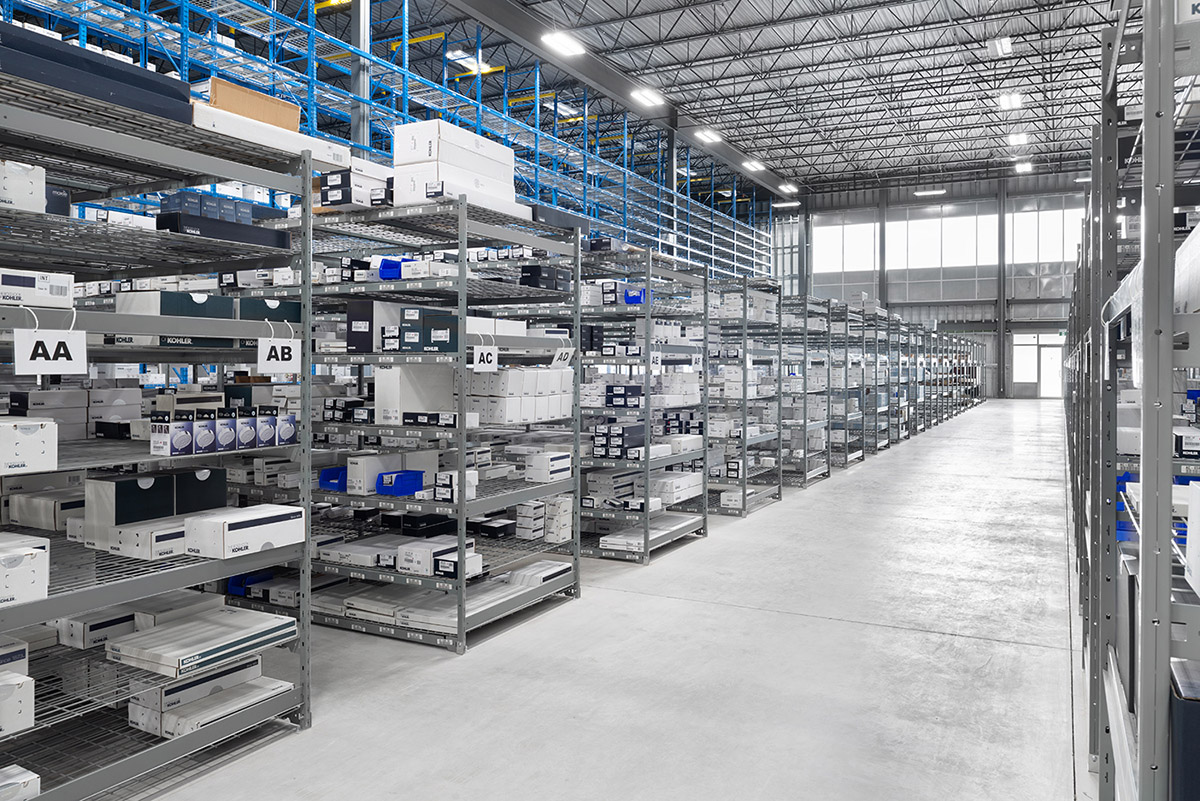
Shelf Load Capacity
Every shelving system has a maximum weight rating. Before selecting shelving, calculate the weight of your heaviest products and choose a system designed to support those loads safely.
Overloading shelves increases the risk of structural damage and workplace accidents.
Shelf Dimensions and Depth
Shelf width and depth should match the size of your inventory. Shelves that are too shallow waste space, while shelves that are too deep make products difficult to reach and organize.
Choosing the correct dimensions improves storage efficiency and employee productivity.
Ceiling Height and Vertical Clearance
One of the biggest opportunities in warehouse storage is making better use of available height. Consider your ceiling clearance, lighting, sprinklers, and equipment when designing taller shelving systems.
Using vertical space effectively often increases storage capacity without increasing your warehouse footprint.
Accessibility Requirements
Think about how employees access inventory throughout the day. Frequently picked products should remain easy to reach, while slower-moving inventory can be stored higher or farther from picking areas.
A shelving system that matches your workflow reduces unnecessary movement and improves efficiency.
Future Inventory Growth
Inventory rarely stays the same for long. Choose shelving that allows additional bays, shelves, or accessories to be added as your business grows.
Planning ahead helps avoid expensive storage upgrades in the future.
Warehouse Traffic and Workflow
Storage systems should support the way products move through your warehouse. Receiving, storage, picking, packing, and shipping areas should work together without creating congestion.
When shelving fits your workflow, employees spend less time moving inventory and more time completing productive work.
Warehouse Layout Tips for Bulk Storage Shelving
Leave Adequate Aisle Width
Efficient warehouses need enough aisle space for employees, carts, and equipment to move safely. Narrow aisles may increase storage density, but they can also slow operations if workers constantly compete for space.
Finding the right balance improves both storage capacity and productivity.
Store Fast-Moving Inventory Within Easy Reach
Place your highest-demand products in locations that are quick and comfortable to access. Frequently picked inventory should be stored between waist and shoulder height whenever possible to reduce lifting and improve picking speed.
Less frequently used inventory can be stored on higher or lower shelves.
Use Vertical Space Efficiently
Don’t allow valuable overhead space to go unused. Properly designed bulk shelving takes advantage of warehouse height while maintaining safe access to inventory.
Using vertical storage effectively often delays the need for warehouse expansion.
Create Dedicated Storage Zones
Organizing products into clearly defined zones makes inventory easier to locate and manage. Separate areas for receiving, reserve inventory, order picking, seasonal stock, and shipping help reduce confusion and improve overall warehouse flow.
Clear labelling also makes employee training faster and inventory management more accurate.
Plan for Expansion
A warehouse layout should support future growth, not just current inventory levels. Leave room for additional shelving, wider product lines, or changing workflows so future expansion causes minimal disruption.
Small layout decisions today often save significant time and money later.
Learn more about our warehouse design and layout services to optimize your storage system and warehouse layout.
Improving Warehouse Efficiency With Bulk Storage Shelving
The right shelving system does more than create extra storage. It helps products move through your warehouse faster, improves inventory accuracy, and creates a safer working environment. When shelving is planned around your daily operations, employees spend less time searching for products and more time completing productive work.
Faster Picking and Restocking
Well-organized bulk shelving reduces the distance employees travel during picking and restocking. Clearly labelled storage locations and logical product placement make it easier to find inventory quickly, helping orders leave the warehouse faster while reducing picking errors.
Better Inventory Visibility
Open shelving makes inventory easy to see, making stock counts and checks faster and more accurate. Employees can quickly identify low stock levels, misplaced products, or empty storage locations before they become larger inventory problems.
Reduced Product Damage
Storing products on properly sized shelving protects inventory from being stacked on the floor or piled unevenly. Better organization reduces crushed boxes, damaged packaging, and unnecessary handling, helping preserve product quality and lower replacement costs.
Improved Employee Safety
A clean, organized warehouse is a safer warehouse. Proper shelving keeps products off walkways, reduces clutter, and limits unnecessary lifting or reaching. Combined with a well-designed layout, bulk shelving helps lower the risk of workplace injuries.
Lower Operating Costs
Better organization improves productivity across daily warehouse operations. Employees spend less time searching for inventory, inventory counts become more accurate, and available space is used more efficiently. These improvements reduce labour costs while delaying the need for additional warehouse space.
Learn more about our warehouse storage solutions for complete warehouse optimization.
Safety Considerations for Bulk Storage Shelving
Even the strongest shelving system depends on proper use and regular maintenance. Following basic safety practices protects your employees, your inventory, and your storage equipment.
Never Exceed Load Ratings
Every shelving system is designed with a maximum load capacity. Exceeding those limits places unnecessary stress on shelves and uprights, increasing the risk of structural failure. Always follow the manufacturer’s load ratings and distribute weight according to design specifications.
Proper Weight Distribution
Heavy products should be spread evenly across each shelf rather than concentrated in one area. Lower shelves should generally hold the heaviest inventory to improve stability and reduce the centre of gravity of the entire shelving unit.
Proper weight distribution also extends the life of your shelving system.
Regular Shelf Inspections
Inspect shelving regularly for bent components, loose connections, damaged shelves, or signs of wear. Identifying problems early allows repairs to be completed before they become safety hazards or lead to larger failures.
Routine inspections should become part of every warehouse maintenance program.
Protecting Shelving From Equipment Damage
Forklifts, pallet jacks, and carts can damage shelving during daily operations. Installing rack guards, column protectors, and other protective barriers helps reduce accidental impacts and extends the life of your storage equipment.
Employees should also report any impact damage immediately so repairs can be completed before the shelving returns to service.
Employee Training and Safe Loading Practices
Employees should understand proper loading procedures, weight limits, and safe material handling practices. Consistent training helps prevent overloading, uneven weight distribution, and improper product stacking that can compromise shelving safety.
Explore our rack protection and safety solutions to help protect your storage systems.
When Should You Upgrade to a Higher-Density Storage System?
Bulk storage shelving works well for many operations, but every warehouse eventually reaches a point where greater storage density becomes necessary. Recognizing that point early helps you plan upgrades before space limitations begin affecting productivity.
Signs You’ve Outgrown Bulk Shelving
If aisles are becoming crowded, products are regularly stored on the floor, or inventory exceeds available shelf space, your warehouse has likely outgrown its current storage system. Frequent reorganizing to create space is another sign that higher-density storage should be considered.
Adding Pallet Racking for Greater Capacity
Many businesses increase storage capacity by adding pallet racking alongside existing shelving. Palletized inventory moves into racking while hand-picked products remain on shelving, creating a more efficient storage system without replacing everything.
This approach allows warehouses to increase capacity while maintaining efficient order picking.
Considering Double Deep or Drive-In Racking
Warehouses storing large quantities of similar products often benefit from higher-density racking systems. Double Deep Racking stores pallets two positions deep, while drive-in and drive-through racking maximize storage density by reducing the number of access aisles.
These systems are especially effective for bulk inventory where maximum storage capacity is the priority.
Learn more about our double deep racking and drive-in racking solutions.
When Mobile Shelving Makes Sense
Mobile shelving systems eliminate fixed aisles by mounting shelving units on movable bases. Only the aisle being used is opened, allowing significantly more storage within the same footprint.
This solution works well for warehouses where floor space is limited, but inventory remains manually picked.
Professional Installation and Warehouse Planning
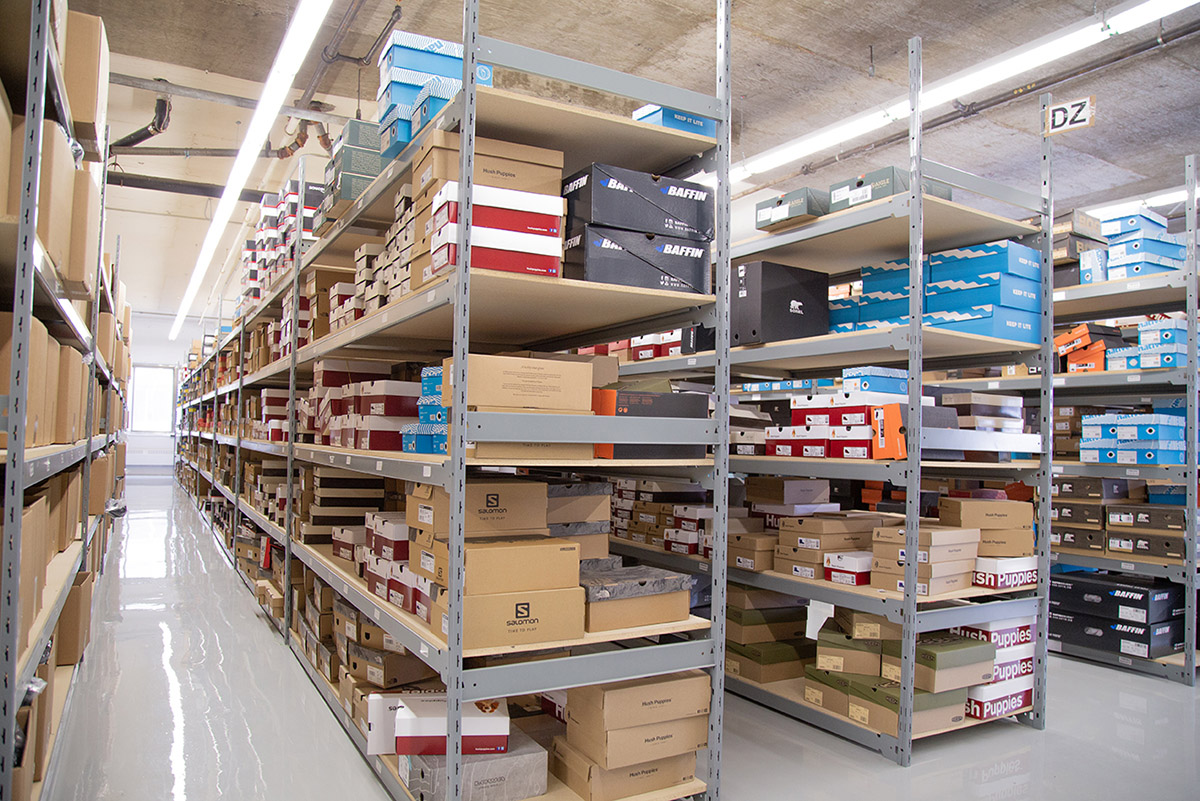
Choosing the right shelving is only part of a successful storage project. Professional planning ensures your warehouse layout supports efficient operations today while leaving room for future growth.
Why Proper Installation Matters
Correct installation ensures shelving performs as designed and safely supports its rated load capacity. Properly assembled systems remain stable under daily use and reduce the likelihood of premature wear or structural problems.
Professional installation also minimizes disruptions during warehouse upgrades.
Designing a Storage System Around Your Workflow
Every warehouse operates differently. Receiving, storage, picking, packing, and shipping should all work together efficiently. Designing your shelving around these workflows reduces unnecessary travel, improves productivity, and creates a smoother flow of inventory throughout the facility.
Planning for Long-Term Growth
Storage requirements rarely stay the same. Planning ahead allows new shelving, pallet racking, or specialized storage systems to be added with minimal disruption as your business expands.
A scalable warehouse layout protects your investment and reduces future renovation costs.
Meeting Safety and Compliance Requirements
Professional warehouse planning considers aisle widths, load capacities, fire protection clearances, and equipment access while helping your storage system meet applicable workplace safety requirements.
Learn more about our racking installation services.
Maintaining Your Bulk Storage Shelving
Routine maintenance keeps your shelving performing safely while extending its service life. Small repairs completed early are far less expensive than replacing an entire storage system after significant damage occurs.
Routine Inspections
Schedule regular inspections to check for loose hardware, bent uprights, damaged shelves, corrosion, and other signs of wear. Keeping maintenance records also helps identify recurring issues before they become larger problems.
Replacing Damaged Components
One advantage of industrial shelving is that individual shelves, beams, or uprights can often be replaced without replacing the complete system. Prompt repairs help maintain structural integrity while reducing long-term maintenance costs.
Adjusting Shelf Heights as Inventory Changes
As product sizes change, shelf spacing should be adjusted to maximize storage efficiency. Proper shelf heights reduce wasted vertical space while making inventory easier to access.
Knowing When to Upgrade Instead of Repair
If shelving has extensive damage, no longer meets capacity requirements, or cannot support your current workflow, replacing the system is often the better investment. Upgrading to a more suitable storage solution improves efficiency while supporting future business growth.
Learn more about our racking inspection services.
Frequently Asked Questions About Bulk Storage Shelving
What is bulk storage shelving?
Bulk storage shelving is a heavy-duty shelving system designed to store larger quantities of cartons, boxes, parts, and oversized inventory that require greater capacity than standard shelving.
How much weight can bulk storage shelving hold?
Weight capacity varies by shelving design, materials, shelf dimensions, and manufacturer specifications. Always choose a system rated for your heaviest inventory and never exceed the published load limits.
What is the difference between bulk shelving and pallet racking?
Bulk shelving is designed for inventory that employees load and pick by hand, while pallet racking stores palletized products handled with forklifts. The right choice depends on your inventory type and warehouse operations.
Is bulk storage shelving adjustable?
Yes. Many bulk shelving systems feature adjustable shelf heights, allowing you to reconfigure storage as your inventory changes.
Can bulk shelving be expanded as my business grows?
Yes. Most industrial shelving systems are modular, allowing additional bays and shelves to be added without replacing the existing system.
What industries use bulk storage shelving?
Bulk storage shelving is widely used in warehousing, manufacturing, automotive, retail, distribution, maintenance departments, and e-commerce fulfillment centres.
Is bulk shelving suitable for warehouses with forklifts?
Yes, although forklifts are typically used to move products to staging areas rather than directly accessing shelving. Warehouses that store palletized inventory often combine bulk shelving with pallet racking for maximum efficiency.
How do I choose the right bulk storage shelving system?
Consider your inventory size, product weight, available warehouse space, ceiling height, picking methods, workflow, and future growth plans. Selecting a system that fits both your current and future needs will provide the greatest long-term value.