
Warehouse space fills up fast when your inventory keeps changing. Fixed storage systems often become a problem because they are difficult to adjust as your business grows. That’s why many companies choose warehouse shelving that can adapt without replacing the entire system.
What Is Modular Shelving?
Defining a Modular Shelving System
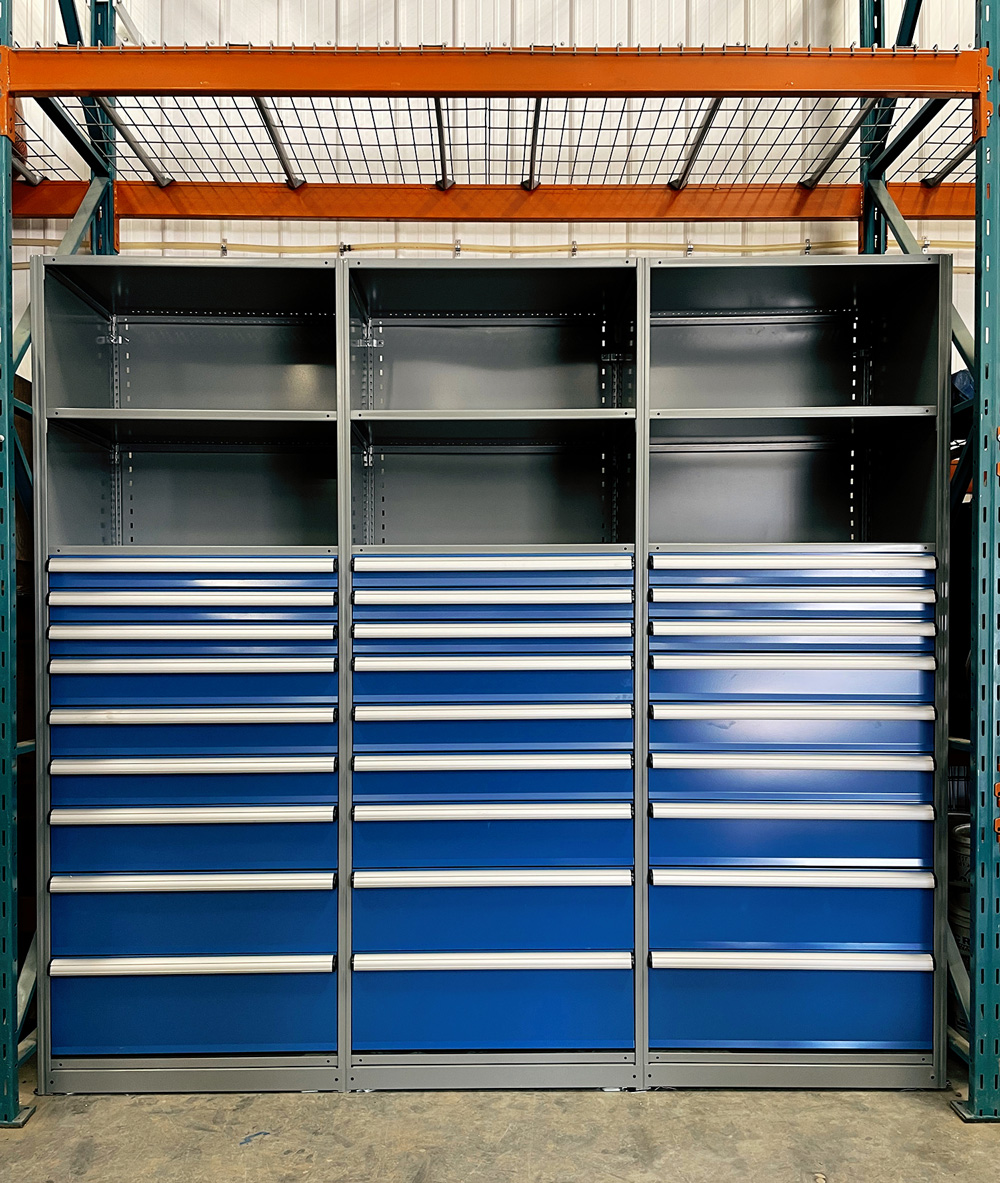
Modular shelving is a storage system built from individual parts that fit together and includes shelves, uprights, beams, and accessories that can be added, removed, or adjusted without replacing the complete unit. It’s the ideal modular system to keep pace with the growth of your warehouse and support changing storage needs.
How Modular Shelving Differs From Traditional Shelving
Traditional shelving is built for a specific layout. This means that, once installed, making changes often requires replacing sections or purchasing new units. On the other hand, modular shelving is designed for flexibility, so you can move shelves, change heights, and expand the system while keeping the existing structure.
Why Businesses Choose Modular Storage Solutions
Businesses rarely store the same products forever. Inventory changes, product sizes vary, and operations expand. Modular shelving lets you respond quickly without investing in an entirely new storage system, saving both your time and money.
How Does Modular Shelving Work?
Adjustable Shelves and Uprights
Shelves attach to upright frames at different heights. As inventory changes, you simply reposition the shelves to fit larger or smaller items.
Modular Components That Grow With Your Business
Additional bays, shelves, dividers, and accessories connect to the existing system, so you can expand only where extra storage is needed.
Easy Installation and Reconfiguration
Most modular shelving systems install quickly using simple components. Reconfiguring the layout is much faster than replacing permanent storage.
Expanding Your Storage Without Replacing Everything
Instead of starting over when you’re expanding your storage system, you build onto your existing system. This makes modular shelving a practical long-term investment.
For larger storage projects, explore our shelving solutions.
What Are the Benefits of Modular Shelving?
Maximizes Warehouse Space
Adjustable shelves reduce wasted vertical space and allow you to store more inventory in the same footprint.
Adapts to Changing Inventory
Different products require different storage heights. Modular shelving adjusts as your inventory evolves.
Improves Organization and Inventory Visibility
Clearly organized shelves make products easier to locate, reducing misplaced inventory and counting errors.
Supports Better Picking Efficiency
Workers spend less time searching for products when shelving is organized around your warehouse’s workflow.
Reduces Long-Term Storage Costs
Instead of replacing complete shelving systems during expansion, you simply add new components.
Makes Future Expansion Easier
Whether your warehouse doubles or adds new product lines, modular shelving scales with your business.
Where Is Modular Shelving Commonly Used?
Warehouses
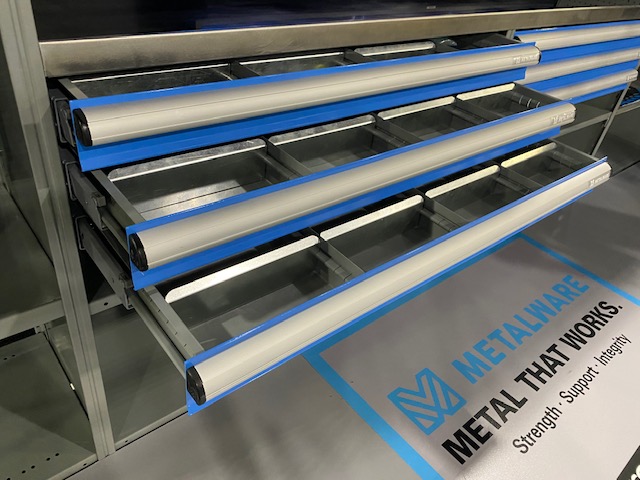
Modular shelving is used in warehouses to store cartons, bins, small parts, tools, and inventory that employees pick by hand. It keeps inventory organized, improves accessibility, and helps reduce picking errors during daily operations.
Distribution Centres
Modular shelving keeps fast-moving inventory organized, enabling employees in distribution centres to quickly locate and pick products for shipping. As order volumes change throughout the year, shelving layouts can be adjusted to support new product lines, seasonal inventory, or changing workflows without disrupting operations.
Manufacturing Facilities
Manufacturers use modular shelving to organize raw materials, work-in-progress inventory, replacement parts, and finished products. Adjustable shelves make it easy to store components of different sizes while keeping production areas clean and efficient. Better organization also reduces delays caused by searching for parts during assembly.
Automotive Parts Storage
Automotive businesses often manage thousands of parts in different sizes. Modular shelving provides organized storage for filters, brake components, electrical parts, hardware, and tools while making each item easy to locate.
Retail Stockrooms
Retail stockrooms have limited space, making efficient storage essential. Modular shelving helps organize back stock, seasonal merchandise, and frequently restocked products while improving inventory visibility.
Maintenance and Tool Rooms
Maintenance departments use modular shelving to organize tools, spare parts, safety equipment, and maintenance supplies. A well-organized storage area reduces downtime because technicians can quickly find the equipment they need instead of searching through cluttered storage rooms.
E-Commerce Fulfillment Centres
E-commerce warehouses handle large numbers of SKUs and frequent order picking. Modular shelving creates organized picking locations that improve accuracy and reduce walking time. As product lines expand, additional shelving sections can be added without redesigning the entire warehouse.
Types of Modular Shelving Systems
Boltless Shelving
Boltless shelving is one of the most popular modular systems because it installs quickly without nuts or bolts. Shelves adjust easily as inventory changes, making this option ideal for warehouses that frequently reorganize products or expand storage capacity.
Steel Shelving
Steel shelving offers excellent strength and durability for everyday warehouse use. It works well in busy environments where shelving must withstand frequent loading, unloading, and daily traffic. Steel shelving also provides a long lifespan with minimal maintenance.
Heavy-Duty Industrial Shelving
Heavy-duty industrial shelving is designed for larger, heavier products that exceed the capacity of standard shelving. Reinforced frames and higher load ratings make these systems suitable for industrial warehouses, manufacturing facilities, and distribution centres storing bulky inventory.
Wire Shelving
Wire shelving improves airflow and visibility around stored products. It also reduces dust buildup, making it a practical choice for warehouses storing electronics, food products, medical supplies, or environments where cleanliness is important.
Mobile Shelving Systems
Mobile shelving systems mount shelving units on movable bases that eliminate unused aisles. By opening only the aisle being used, businesses significantly increase storage density while making better use of available warehouse space.
Explore our complete range of industrial shelving products to find the right solution for your facility.
Modular Shelving vs. Pallet Racking: Which Is Right for Your Warehouse?
When Modular Shelving Is the Better Choice
Modular shelving works best for hand-loaded inventory, smaller products, bins, cartons, tools, and replacement parts. It provides excellent visibility, easy access, and flexible organization for businesses that regularly handle individual items instead of full pallets.
When Pallet Racking Makes More Sense
Pallet racking is designed for warehouses storing palletized inventory moved with forklifts. It supports much heavier loads and allows businesses to maximize vertical storage while providing efficient forklift access for receiving and shipping operations.
Using Both Systems Together for Maximum Efficiency
Many warehouses benefit from using both systems together. Pallet racking stores bulk inventory while modular shelving handles smaller products used for order picking. This combination creates a more organized warehouse and allows each storage system to perform the job it was designed for.
Learn more about our selective pallet racking solutions.
How to Choose the Right Modular Shelving System
Consider Your Inventory Type
Start by evaluating what you’ll store. Small parts, cartons, tools, and boxed inventory all require different shelf sizes and configurations. Choosing shelving that matches your inventory improves organization and prevents wasted storage space.
Evaluate Weight Capacity Requirements
Every shelving system has a maximum load rating. Make sure the shelves can safely support your heaviest inventory without exceeding manufacturer specifications. Proper load planning protects both your employees and your equipment.
Measure Available Floor and Vertical Space
Before purchasing shelving, measure both your floor area and ceiling height. Using vertical space effectively often increases storage capacity without expanding your warehouse area.
Plan for Future Growth
Your storage needs rarely stay the same over time. Select a modular shelving system that allows additional bays, shelves, and accessories to be added as your inventory grows, helping you avoid costly replacements later.
Think About Employee Accessibility
Products should be easy to reach without unnecessary lifting or excessive walking. A shelving layout that supports your daily workflow improves productivity while helping employees work more safely.
Can Modular Shelving Improve Warehouse Productivity?
Absolutely. Here’s how:
Faster Order Picking
Organized shelving reduces the time employees spend searching for products. Clearly defined storage locations improve picking speed, reduce mistakes, and help orders move through the warehouse more efficiently.
Better Inventory Management
When inventory is properly organized, stock counts become faster and more accurate. Employees can identify low inventory sooner, reducing stock shortages and improving overall inventory control.
Improved Warehouse Safety
Well-organized shelving keeps products off the floor and reduces clutter throughout the warehouse. Clear aisles and properly stored inventory lower the risk of trips, falls, and damaged products.
More Efficient Use of Vertical Space
Many warehouses underuse their available height. Modular shelving helps you safely store more inventory vertically, freeing valuable floor space for receiving, packing, or production activities.
Easier Inventory Expansion
As your inventory grows, additional shelving sections can be added with minimal disruption. This flexibility allows your storage system to grow alongside your business.
Explore our warehouse storage solutions for complete warehouse optimization.
Common Mistakes to Avoid When Buying Modular Shelving
Choosing Shelving Based Only on Price
Low-priced shelving often lacks the durability or flexibility needed for long-term use. Choosing the right system based on quality, capacity, and future growth usually delivers better value over time.
Ignoring Load Capacities
Every shelf has a safe weight limit. Exceeding those limits increases the risk of shelf failure, damaged inventory, and workplace injuries. Always select shelving designed for your expected loads.
Not Planning for Future Expansion
Buying shelving that only meets today’s needs often results in expensive upgrades later. Modular systems designed for expansion make future growth much more affordable.
Poor Warehouse Layout Design
Even high-quality shelving performs poorly when aisles are too narrow or inventory is poorly organized. A thoughtful warehouse layout improves accessibility, picking speed, and overall efficiency.
Buying Shelving That Doesn’t Match Your Workflow
Your shelving should support how employees receive, store, pick, and ship products. Choosing the wrong storage system often creates unnecessary travel, congestion, and slower operations.
Why Warehouse Layout Matters as Much as the Shelving
Storage Density vs. Accessibility
Adding more shelving increases storage capacity, but too much density makes inventory difficult to access. The best layouts balance maximum storage with efficient employee movement.
Optimizing Pick Paths
A well-planned layout places frequently picked products in convenient locations. Shorter travel distances help employees complete orders faster while reducing unnecessary walking throughout the warehouse.
Creating Room for Future Growth
An effective warehouse layout leaves room for future shelving, equipment, or operational changes. Planning ahead prevents expensive redesigns as your business expands.
Improving Workplace Safety
Clear aisles, organized inventory, and properly spaced shelving reduce congestion and create safer working conditions for employees and equipment operators.
Learn more about our warehouse design and layout services.
When Should You Upgrade From Shelving to a Complete Storage System?
Signs You’ve Outgrown Basic Shelving
If your shelves are consistently full, inventory is difficult to access, or forklifts have become part of your daily operations, basic shelving alone is no longer enough. Upgrading improves both storage capacity and workflow efficiency.
Combining Shelving With Pallet Racking
Many growing warehouses use modular shelving for smaller inventories while storing palletized products on pallet racking. This combination maximizes available space and improves overall warehouse organization.
Adding Mezzanines or Cantilever Racking for Specialized Storage
Businesses storing long materials, oversized products, or rapidly growing inventory often benefit from adding mezzanines or cantilever racking. These specialized systems increase storage capacity without requiring a larger building.
Explore our cantilever racking and warehouse mezzanine solutions.
Why Professional Installation Makes a Difference
Proper Load Distribution
Professional installers ensure shelving is assembled correctly and weight is distributed according to manufacturer specifications. This improves safety and helps the system perform as intended.
Meeting Safety Standards
Proper installation helps your shelving comply with workplace safety requirements while reducing the risk of structural problems caused by incorrect assembly.
Faster Installation With Less Downtime
Experienced installers complete projects efficiently, allowing your warehouse to return to normal operations much sooner than a self-installation project.
Future-Proofing Your Warehouse
Professionally installed shelving is easier to expand and reconfigure as your storage requirements change, protecting your investment over the long term.
Learn more about our racking installation services.
Maintaining Your Modular Shelving System
Regular Inspections
Inspect shelving on a regular schedule for loose components, bent frames, corrosion, or damaged shelves. Early inspections help identify small issues before they become expensive repairs.
Checking for Damage and Overloading
Watch for impact damage from forklifts and make sure shelves are not overloaded. Following load ratings protects both your employees and your storage equipment.
Reconfiguring Shelves as Inventory Changes
As inventory sizes change, adjust shelf spacing to maintain efficient storage. Regular reconfiguration helps maximize available space and keeps products easy to access.
When to Replace Components Instead of the Entire System
One of the biggest advantages of modular shelving is that damaged shelves or uprights can often be replaced individually. This reduces maintenance costs and extends the life of the overall storage system.
Learn more about our racking inspection services.
Conclusion
The right warehouse shelving system does more than store inventory. It helps you use space more efficiently, improve order picking, and adapt as your business grows. Modular shelving offers the flexibility to reorganize, expand, and optimize your warehouse without replacing your entire storage system.
If you’re planning a new warehouse, expanding your facility, or upgrading your current storage, choosing the right shelving is only part of the solution. A well-designed layout and professionally installed storage system will improve efficiency for years to come. RACKsteel can help you select, install, and maintain the right storage solution for your operation, so your warehouse is ready for today’s needs and future growth. Contact us today.